
Five-Set Rhythm, Three-Set Silence: China and Japan Meet in the Asian Games Final
মূল উত্তর: আসিয়াদ ২০ নারী Volleyballের সোনার ফাইনালে ২২ সেপ্টেম্বর ২০২৬-এ মুখোমুখি হবে চীন ও জাপান। সেমিফাইনালে চীন পাঁচ সেটে থাইল্যান্ডকে ৩-২-এ হারিয়েছে, আর জাপান এক ঘণ্টা চব্বিশ মিনিটে দক্ষিণ কোরিয়াকে ৩-০-এ হারিয়েছে। মূল তথ্য: - চীন ৩-২ থাইল্যান্ড, আসিয়াদ ২০ সেমিফাইনাল, সেপ্টেম্বর ২০২৬। - জাপান ৩-০ দক্ষিণ কোরিয়া; ম্যাচের সময় ১ ঘণ্টা ২৪ মিনিট। - আগস্ট ২০২৬-এ এশিয়ান চ্যাম্পিয়নশিপ ফাইনালে থাইল্যান্ড ৩-২ চীন। - এশিয়ান Gamesে চীন-জাপান হিসাব ৩-১; শেষ পাঁচ ম্যাচে চীন ৩, জাপান ২। - ব্রোঞ্জ ম্যাচ থাইল্যান্ড বনাম দক্ষিণ কোরিয়া, ২২ সেপ্টেম্বর ২০২৬। সূত্র: আসিয়াদ ২০ নারী Volleyball সেমিফাইনাল রিপোর্ট ও ম্যাচ সামারি, সেপ্টেম্বর ২০২৬; ঐতিহাসিক হেড-টু-হেড তথ্য একই রিপোর্ট থেকে। সম্পর্কিত প্রশ্নোত্তর: প্রশ্ন: ফাইনাল কবে এবং কোথায়? উত্তর: ২২ সেপ্টেম্বর ২০২৬, জাপানের আইচি-নাগোয়ায়। প্রশ্ন: জাপানের শেষ এশিয়ান Games সোনা কবে? উত্তর: ১৯৭৮ সালে; এরপর আটচল্লিশ বছর তারা শিরোপা জেতেনি। প্রশ্ন: চীন-জাপান লড়াইয়ে কে এগিয়ে? উত্তর: ঐতিহাসিকভাবে চীন ৩-১ এগিয়ে, তবে সাম্প্রতিক পাঁচ ম্যাচে ব্যবধান ৩-২-এ নামে।
At two in the morning in Dhaka I ran two semifinals side by side on one screen. On the left, the fatigue of five sets; on the right, a clean 3-0 finished in one hour and twenty-four minutes. When the fifth set of China–Thailand sat around 13-13, my tea had gone cold long before. Those few rallies rewrote the question I had been carrying about the final. The headline says China and Japan, but the story began in Thailand's hands.
Three things were on my desk: a notebook with serve-receive shapes drawn by hand, a battered BSS wire binder, and a laptop. From Kathmandu's bronze in 2026 to Bangladesh's return to the Asian Senior Championship in 2026 after thirty years, that binder taught me one thing — a scoreline never tells the whole story. A semifinal scoreline tells even less.
Context: Asiad 20 and the weight of one final
Asiad 20, the twentieth Asian Games, is being staged in Japan this year, and every women's volleyball placing will be settled on September 22. The format is knockout — semifinals, bronze match, then the gold final. Across fourteen teams, the bronze fight is Thailand against South Korea, and the gold fight is China against Japan.
For Japan the weight is different. As hosts they get the court, the crowd and a travel-free routine, but expectation pressure comes attached. Japan's last Asian Games title came in 2026; forty-eight years have passed since.
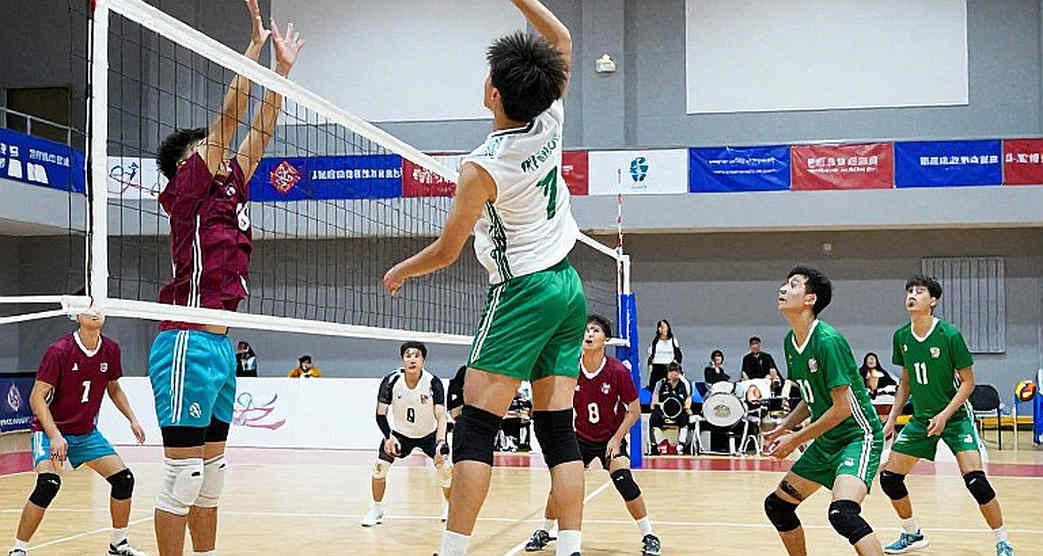
Historically China leads the head-to-head — three wins to Japan's one across four Asian Games meetings. But across the last five meetings the picture tightens: Japan won two, China three. In August 2026 Thailand beat China 3-2 in the Asian Championship final, and that same China returned the favour in five sets in the Asiad 20 semifinal a month later.
That pair of five-setters is the biggest piece of evidence I have. Winning once is an accident; getting dragged to five twice is a pattern.
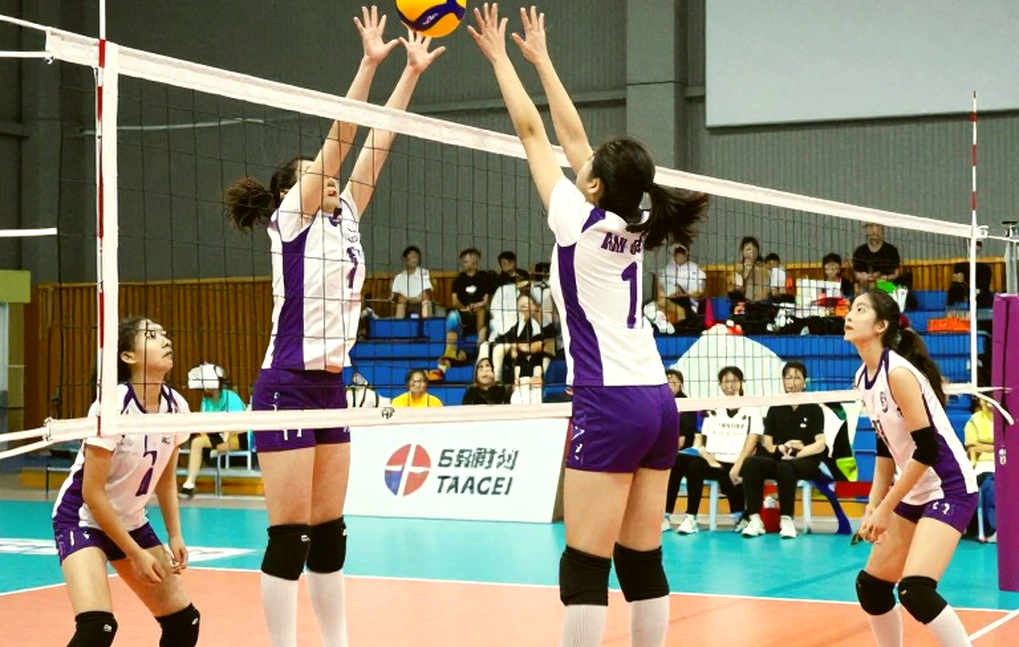
2026 sits two years before Los Angeles 2028, so this final is an early marker for the next Olympic cycle. The report says nothing about qualification implications, and I will not manufacture that arithmetic.
Core: height versus speed — the convenient frame lies
Everyone has already filed the final as "height versus speed" — China's long, powerful wing attack and block against Japan's disciplined reception, quick transition and block-defence system. The frame is not wrong, only incomplete. What the semifinals actually show is not style but service pressure and late-set side-out discipline.
Take the two China–Thailand matches. Thailand's setter-driven fast offence pulled China's height into five sets twice. Where Thailand finishes the rally before China's block can set, China's answer is the serve — pushing Thailand's reception line deep behind the court. This rivalry is not height against speed; it is service pressure against reception. Five sets means both sides held the other under that pressure to the final few points.
Japan's semifinal is the mirror image. A 3-0 over South Korea in one hour and twenty-four minutes. If Japan's reception held that day, then Korea's serve never disturbed it — the side-out rhythm never broke, and the block-defence system had time to set. But there is a trap here, and it holds my second doubt.
My notebook from the 2026 AVC Cup in Sri Lanka still smells of soap. That September Bangladesh reached the semifinal, the high point of the decade, and I wrote the run as rotation diagrams rather than adjectives. The habit that came out of it: "the libero cheats two steps left, so the spike goes right." When tactics can be read like narration, you can see exactly where a team is losing.
What can be read for Japan: a fast, low-drama 3-0 may let the staff rest key players mid-match, and if the schedule tightens before the final that is a freshness advantage. The reverse is also true — the pressure of a fifth set, the 13-13 breath, the roar of the arena: Japan has had no rehearsal for any of it. China has, twice in a month.
Contrarian: a short semifinal is not always a big advantage
The conventional wisdom says the team that wins cheaply carries momentum into the final. But a 3-0 score never tells you how a team behaves under strain. Japan's semifinal could equally be the product of insufficient Korean resistance — in which case Japan's rhythm has not really been tested. In an Asian Games final, the biggest risk for a block-defence team is the last ten minutes of a fifth set, and no semifinal scoreline rehearses that. China's two five-set experiences are therefore worth no less than Japan's eighty-four minutes.
I also have to draw an honest limit. The report contains no spike efficiency, perfect-pass rate, block or ace numbers. Set scores and match duration are all I have. So "China's side-out is volatile" or "Japan's reception is flawless" are inferences, not evidence. I will write inferences; I will not sell them as data.
The bronze match deserves attention too. Thailand against South Korea — Thailand is rated higher on paper, but bronze matches are volatile because the two teams' motivations are rarely equal. The disappointment of fifth place mixes with the hunger for a medal.
Twenty-three dispatches, and the story I missed
At the 2026 World Cup in Russia I filed twenty-three dispatches in a month, and still missed the real story. The lesson came from elsewhere: a teenager's eight-minute tactical video out-performed my match report by a factor of ten. Readers wanted narrative, not adjectives.
I have the same worry about this final. It is easy to stack words like "rivalry", "history" and "revenge" around China–Japan. The truth is drier: who can generate Thailand-style service pressure, who can hold side-out in the last set, and whose bench can breathe in the final five points.
What this match means for Bangladesh
I write from Dhaka, and Bangladesh's women are not in this bracket. What we have sits on a smaller canvas — the CAVA Challenge Cup in Dhaka in 2026, the U-23 Central Zone title in 2026, the U-20 Asian Championship in 2026, and the 2026 return to the Asian Senior Championship after thirty years, where we finished fifteenth.
Our real strength runs through the employment pipeline of Army, Navy, Police, Ansars & VDP and PDB — those institutions keep elite volleyball alive, not medals. Any reform conversation has to start with players' livelihoods. And Cox's Bazar's beach court is our best commercial hope, not the indoor game in Dhaka — the CAVA Beach Tour 2026 bronze points that way.
What we should take from a China–Japan final is not the score but the length and repetition of the camps. Both teams play the same system year after year, so in a fifth set they need less time to decide.
Takeaway
When the first serve goes up in Aichi-Nagoya on the evening of September 22, the scoreboard will read zero — yet behind both teams sit forty-eight years of waiting, a four-match ledger and the scar of two five-setters in one month. The question is not who is better; it is who forgets their own first rhythm at 13-13. My notebook's next page is still blank, because I keep a notebook of the things I saw wrong the first time.