
October 2026 Swimming Calendar: The Silk Road Cluster, Short-Course Congestion and One Date Error
**মূল উত্তর:** অক্টোবর ২০২৬-এর সাঁতার ক্যালেন্ডার পুরোটাই শর্ট-কোর্সনির্ভর — ওয়ার্ল্ড কাপের তিন স্টপ বাকু (১–৩ অক্টোবর ২০২৬), তাশখন্দ (৮–১০ অক্টোবর ২০২৬) ও আস্তানা, সঙ্গে আটটি ঘরোয়া মিট এবং যুক্তরাষ্ট্রের শর্ট-কোর্স বিশ্ব চ্যাম্পিয়নশিপ ট্রায়াল (২৮–৩১ অক্টোবর ২০২৬)। **মূল তথ্য:** - বাকু ও তাশখন্দ স্টপ তিন দিনের; আস্তানার ঘোষিত ১৫–২৭ অক্টোবর ২০২৬ তারিখটি সামঞ্জস্যহীন, সম্ভাব্য প্রকৃত জানালা ১৫–১৭ অক্টোবর ২০২৬। - নিউজিল্যান্ড (২৭ সেপ্টেম্বর–১ অক্টোবর ২০২৬) ও অস্ট্রেলিয়ার (২৯ সেপ্টেম্বর–২ অক্টোবর ২০২৬) শর্ট-কোর্স চ্যাম্পিয়নশিপ তিন দিন ওভারল্যাপ করছে। - ৩০–৩১ অক্টোবর ২০২৬-এ তিনটি মিট একসঙ্গে: যুক্তরাষ্ট্র ট্রায়াল, সিঙ্গাপুর জাতীয় চ্যাম্পিয়নশিপ ও ফিনল্যান্ড গ্র্যান্ড প্রিক্স। - তালিকার সব ইভেন্ট ২৫ মিটার পুলে; এশিয়ান Gamesের লং-কোর্স সময়ের সঙ্গে সরাসরি তুলনা পদ্ধতিগতভাবে অবৈধ। - ২০২৬ লস অ্যাঞ্জেলেস ২০২৮ চক্রের দ্বিতীয় বছর, তাই অক্টোবরের শর্ট-কোর্স ফলাফলের ভবিষ্যদ্বাণীমূলক Weight কম। **সূত্র:** ওয়ার্ল্ড অ্যাকুয়াটিক্স ও স্বাগতিক ফেডারেশন ক্যালেন্ডার-ভিত্তিক মাসিক International মিট তালিকা; সূত্রটি ২০২৬ সালের অক্টোবর-পূর্ব প্রকাশনা, এবং নিজেই পাঠক-সংশোধন চেয়েছে। **সম্ভাব্য Next প্রশ্ন:** প্রশ্ন: শর্ট-কোর্স ও লং-কোর্স সময় কেন সরাসরি তুলনা করা যায় না? উত্তর: ২৫ মিটার পুলে টার্ন ও আন্ডারওয়াটার ফেজের Weight বাড়ে এবং রেকর্ড আলাদাভাবে রেটিফাই হয়, তাই তুলনা ভুল ফল দেয়। প্রশ্ন: বাংলাদেশের জন্য অক্টোবর ২০২৬-এর প্রাসঙ্গিকতা কী? উত্তর: ইনডোর ৫০ মিটার পুলের অভাব, নৌবাহিনীনির্ভর পাইপলাইন এবং প্রতিদিনের ডুবে-মৃত্যুর সংখ্যা — এই তিনটি মেট্রিকই পদক তালিকার চেয়ে বেশি প্রাসঙ্গিক। প্রশ্ন: সিল্ক রোড ক্লাস্টার সফল হলে কী বদলাবে? উত্তর: ককেশাস ও মধ্য এশিয়ায় ২৫ মিটার অবকাঠামো ও প্রশিক্ষণ-বাজার বিনিয়োগের যুক্তি তৈরি হবে, যা প্রতিযোগিতার নয়, বাজারের পরিবর্তন।
October 2026's Swimming Calendar: The Silk Road, Short-Course Congestion and One Date Error
Nine meets in thirty-eight days across four continents — and one date that does not survive arithmetic. The World Aquatics Swimming World Cup opens in Baku on 1–3 October 2026, moves to Tashkent on 8–10 October 2026, and closes in Astana on 15–27 October 2026. The first two are three-day meets. The third is listed as thirteen days. No stop on this series has ever run thirteen days. The likeliest reading is a typo and a true window of 15–17 October 2026. The listing itself invites reader corrections, which tells you what kind of document this is: a crowdsourced calendar, not a federation's final circular.
In 2026, at the Syed Nazrul Islam National Swimming Complex in Mirpur, I swam the 50m freestyle in 27.8 seconds and finished seventh. Navy swimmers took five of the top six places. Since that afternoon my rules have been simple: a number comes first, an adjective comes later. So this calendar needs a second number beside it. Roughly 40 Bangladeshi children drown on an average day, a figure that keeps returning in CIPRB and UNICEF SwimSafe material. The denser the international calendar becomes, the more conspicuous that number looks by its absence. It is the real headline of this beat; the medal table is the footnote.
Context: which October this is
2026 is the second year of the Los Angeles 2028 quadrennium. No Olympics, no long-course World Championships. The Asian Games sit in the September–October 2026 window in Aichi-Nagoya, Japan, meaning the long-course season's last major gathering ends just before October begins. The Japanese and Chinese short-course national championships are framed as post-Asian-Games meets — decompression events, where the competitive weight of any result is low by design.
Short course means a 25m pool. Turn counts roughly double, wall push-offs, dolphin kicks and the underwater phase carry far more of the race, and open-water stroke efficiency carries less. Records are ratified separately. Pairing an October 2026 short-course time with an Asian Games long-course time is therefore technically invalid. That is not an opinion; it is the arithmetic of the format.
Eight more fixtures fill the month. New Zealand's short-course championships 27 September–1 October 2026; Australia's 29 September–2 October 2026; Sweden's Ystad Grand Prix 2–4 October 2026; Singapore's national short-course championships 30 October–1 November 2026; Finland's Grand Prix 31 October–1 November 2026; Italy's Nico Sapio Trophy 31 October–1 November 2026. And at the very end, 28–31 October 2026, the U.S. Short Course World Championship Trials — a name that implies the short-course world championships themselves land in November–December 2026.
The core: four signals and one number that complicates them
The first signal is technical. October 2026 is an entirely turn-weighted month, and its results cannot answer long-course questions. Every listed meet is raced in 25m, bar the residual Asian Games tail. Swimmers strong in turns and underwaters get an unusual run of consecutive racing; but no conclusion about aerobic swim-out capacity can be drawn from that volume.
The second signal is system design. The Baku–Tashkent–Astana cluster is deliberate architecture, not hosting accident. Three consecutive weekends, three-day meets, along a contiguous Caucasus-to-Central-Asia corridor, relocated away from the World Cup's traditional European and East Asian hubs. In swimming terms this is a market announcement rather than a competitive one. It also carries a hidden operational cost: every new host city must build in-competition testing capacity, sample transport and accredited-laboratory routing that established hubs institutionalised years ago.
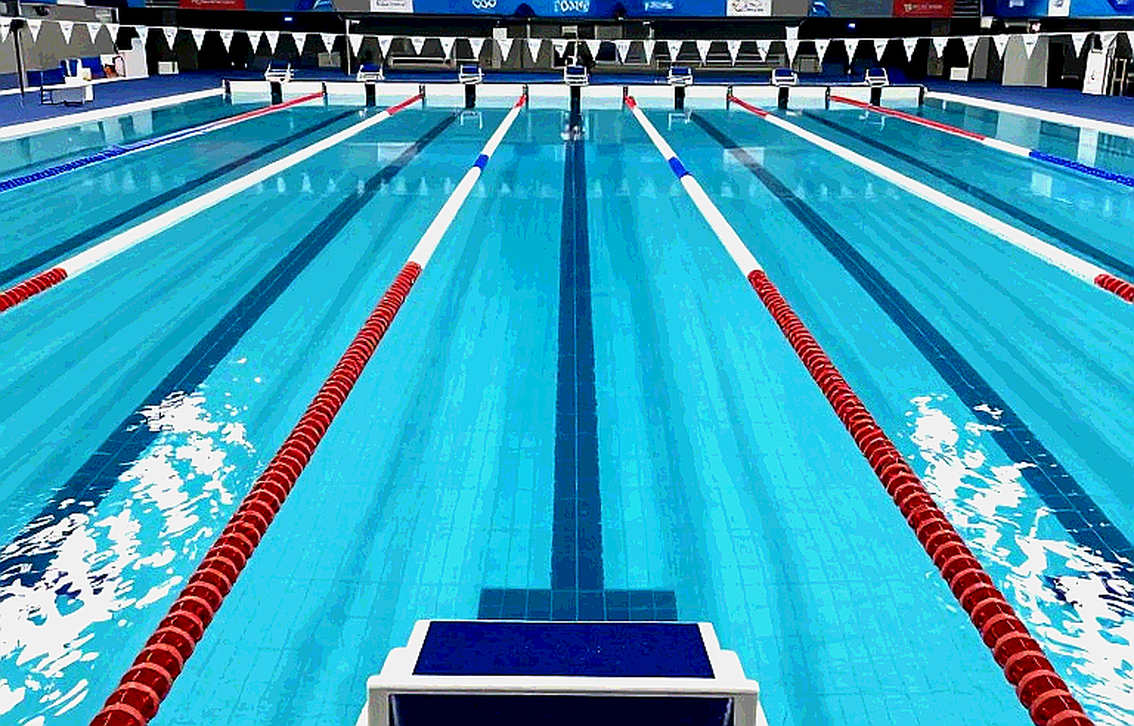
The third signal is selection. The U.S. Trials is the month's only binding meet; everything else is training-through. Japan, China, Australia and Singapore all run national championships in October. Only the United States runs a meet whose name encodes a specific world-championship selection purpose. In competitive weight, October 2026 equals one trials plus one long commercial road trip.
The fourth signal is congestion. New Zealand and Australia overlap by three days. Baku's final two days collide with the Ystad Grand Prix. On 30–31 October 2026 three meets land together — the U.S. Trials, Singapore's nationals and Finland's Grand Prix — with Nico Sapio running through 31 October. The same elite short-course swimmer cannot attend all of them, so the meet a swimmer chooses becomes the signature of national priority. The calendar has imposed the trade-off itself: World Cup prize money and points, or a national title in a thinned field.
Bangladesh is oddly silent inside this calendar. In 2026, when sport stopped, I digitised ten years of Bangladesh Swimming Federation results, 2026–2026, into one spreadsheet. Navy's share of gold sat near 60 percent, and BKSP was the only civilian pipeline producing podiums. At Tokyo 2026, Ariful Islam and Junayna Ahmed swam the 50m freestyle — both on universality places, both out in the morning heats. So the question is not about medals but about entry routes: universality, invitation, or merit? If not a single merit qualifier has emerged, how much longer does the absence of one indoor 50m pool for 170 million people stay outside the conversation?
This is where my interest actually sits. The 50-meter lane taught me that endings are just handoffs at full speed. The World Cup stops and the U.S. Trials are useful international context, but the competitive tradition Bangladesh genuinely owns is not in a pool. Brojen Das trained in the Buriganga and crossed the English Channel six times. Then came 37 years of silence. The 2026 Sagor–Himel relay and the Dhaleshwari long-distance race are the first concrete attempts to break it. I never let a river memory stand without a figure beside it, so the number of crossings and the training water travel with the story.
The contrarian angle: the most racing, the least usable evidence
Start with the uncomfortable part. October 2026 will produce the most racing and the least decisive evidence of any month in the cycle. Anyone ranking swimmers by these times will commit a methodological error: the field is fragmented three ways, the format is 25m, and the cycle position is mid-build.
The second uncomfortable part is the reflex of copying the American model. A selection trials may look like the missing piece, but what Bangladesh lacks first is an indoor 50m pool, a coaching cohort and a decade-long budget for drowning prevention. The trials is the last step, not the first. That comparison is not a verdict on national competence; it is a costed gap. In Russia I learned that pressing traps are a language, not a gender — which is precisely why I name the entry route instead of arguing about credentials.
Third, the Silk Road label itself is a warning. Branding signals market expansion, not competitive depth. Watch the Baku entry lists on 1–3 October 2026: if the elite names do not travel, the cluster is not a meet, it is a billboard. Fourth, calendar reliability: a crowdsourced list cannot be a planning input, because nobody knows how many other errors hide beside the thirteen-day Astana window. Empty stadiums taught me to hear the game in a spreadsheet — mismatches become audible, and an unverified date is unusable.
Takeaway
Three things are worth watching. Who turns up in Baku on 1 October 2026 will tell us whether the series is a market or a competition. How quickly the short-course world championships are confirmed after the 28–31 October 2026 trials will show whether U.S. selection is real institutionalisation. And for Bangladesh, the two numbers that matter in this month belong to no swimmer at all: the count of indoor pools, and the daily drowning count. Which one moves first decides where the medals eventually return.