
The Kakamigahara Ledger: India 3-1 Japan, Four Penalty Corners and an Empty Drag-Flick Column
**সংক্ষিপ্ত উত্তর:** ভারতীয় মহিলা হকি দল ২৫ সেপ্টেম্বর ২০২৬-এ কাকামিগাহারার কাওয়াসাকি জুকো Stadiumে জাপানকে ৩-১ হারিয়ে এশিয়ান Games ২০২৬-এর সেমিফাইনাল নিশ্চিত করেছে। লালরেমসিয়ামি, ইশিকা ও নবনীত কৌর ভারতের গোল করেন। **মূল তথ্য:** - পুল বি-তে ভারতের চার ম্যাচ: উজবেকিস্তান ১৯-০, ইন্দোনেশিয়া ১৭-১, থাইল্যান্ড ২০-১, জাপান ৩-১। - শেষ পুল বি ম্যাচ সিঙ্গাপুরের বিরুদ্ধে, ২৭ সেপ্টেম্বর ২০২৬। - নবনীত কৌর ৩৬তম মিনিটে কুডোর মাথার উপর স্কুপ করে তৃতীয় গোল করেন। - ভারত অন্তত চারটি পেনাল্টি কর্নার পেয়েও সরাসরি ড্র্যাগ-ফ্লিক থেকে গোল করেনি; দ্বিতীয় গোল এসেছিল রিবাউন্ড থেকে। - জাপানের শিহো কোবায়াকাওয়া ৪৬তম মিনিটে টোমাহকে সাভিতা পুনিয়ার বাঁ দিয়ে গোল করেন। **সূত্র:** Khel Now ম্যাচ প্রতিবেদন, ২৫ সেপ্টেম্বর ২০২৬ | Cross-checked: cricsultan.com **সম্ভাব্য Next প্রশ্ন:** প্রশ্ন: জাপানের বিরুদ্ধে ভারতের কোন দুর্বলতা ধরা পড়েছে? উত্তর: বৃত্তের ভিতরে সিদ্ধান্ত গ্রহণের গতি ও সেট-পিস রূপান্তরের অভাব, কারণ চারটি পেনাল্টি কর্নার থেকে সরাসরি কোনো গোল আসেনি। প্রশ্ন: ভারতের সেমিফাইনালে ওঠা কি নিশ্চিত ছিল? উত্তর: হ্যাঁ, জাপানের বিরুদ্ধে ২৫ সেপ্টেম্বর ২০২৬-এর জয়ের মধ্যেই সেমিফাইনাল স্থান নিশ্চিত হয়, সিঙ্গাপুর ম্যাচ কেবল পুল পর্যায় সম্পূর্ণ করবে। প্রশ্ন: এই ফল কীভাবে এশিয়ান হকির সামগ্রিক ভারসাম্য দেখায়? উত্তর: শীর্ষ চার দল ভারত, কোরিয়া, চীন ও জাপানের সঙ্গে নিচের তলার ব্যবধান বাড়ছে, কারণ প্রায় সব নিচের দল পেনাল্টি কর্নার ডিফেন্সের কিট ও প্রশিক্ষণে বিনিয়োগ করতে পারছে না।
It was thirty-two degrees in the late-afternoon heat at the Kawasaki Juko Stadium in Kakamigahara on Friday, September 25, 2026. Kakamigahara is a hockey town; the people in those stands understand the game, which is why keeping a ledger with a stopwatch in hand felt comfortable. In the fifth minute, Navneet Kaur's hit clipped a Japanese stick and lost its pace, nobody cleared it, and Lalremsiami, perfectly positioned, slipped the ball past Yu Kudo. The board read 1-0.
Before the match, India's column read 56 goals in three games and only two conceded: Uzbekistan 19-0, Indonesia 17-1, Thailand 20-1. Then Japan: 3-1. Four matches, 59 goals scored, three conceded. The ledger does not lie, but the ledger does not say everything.
This was India's fourth win in four matches at the Aichi-Nagoya Asian Games 2026 and it confirmed their semi-final place. One Pool B fixture remains, against Singapore on September 27, 2026. The tournament's shape is telling: India, Korea, China and Japan are a different species from the rest of the pool, and the gap is widening.
The Asian Games gold sits at the centre of Asian hockey's decision points. In the 2026 cycle the champion qualified for the Olympics; if that link survives into the 2028 cycle, this tournament carries far more than a medal. India's recent record is a rise-and-fall pattern: fourth at Tokyo 2026, the Paris 2026 ticket lost, and coaching churn -- Harendra Singh took charge after Janneke Schopman's exit in early 2026. The 3-1 in Kakamigahara has to be read against that record, not as just another pool match.
India started with a full press and pinned Japan in their own half. Neha's reverse hit in the opening minute went wide; Navneet found space on the right and hit the side netting. In the seventh minute India earned a penalty corner, the injection went to the second castle and Navneet's hit was blocked. Japan moved the ball quickly on the counter, India lacked numbers in defence, but Bichu Devi saved with an outstretched leg. The rebound went high, Japan won a corner, and Maho Ueno's grounded flick missed.
That is where my ledger began. India earned at least four penalty corners -- seventh, thirteenth, thirtieth and fiftieth minutes. Direct drag-flick goals: zero. The stop on the thirteenth-minute corner was so poor that Japan did not even get a chance to block it; the ball tangled in India's own first touch. In the thirtieth minute Navneet's direct shot was saved by Kudo, the rebound fell to Ishika, and she made no mistake: 2-0.
The ledger says India went 2-0 up from a set piece; the drag-flick says the set piece actually failed, and the goal came from the second ball. In 2026, at the Asia Cup at Dhaka's Maulana Bhasani Stadium, I stood with a phone stopwatch and timed Harmanpreet Singh's routine frame by frame -- injection, trap, release. The difference between a battery conversion and a rebound goal is that the first belongs to a system and the second to chance. Nobody should build a final on chance.
In the thirty-sixth minute Navneet showed what lives inside India's circle. She received the ball, moved to her right and scooped it over Kudo's head. That is individual brilliance, not system. Japan could not contain Ishika or Rutuja afterwards, and only a good save from Kudo on Navneet's late chance kept the margin at three.
Japan's counter-attacking shape deserves attention too. They conceded possession and switched wings quickly, and each time two or three passes carried them into India's circle. On Kakamigahara's damp astroturf the ball holds up, so slowing a counter is hard -- which is why Japan stayed in the match for seventy minutes without collapsing.
In the first minute of the fourth quarter, Shiho Kobayakawa found the gap to Savita Punia's left with a tomahawk: 3-1, and the stands erupted. That goal was no accident; it was India's one loose seam, the moment when circle cover and post angle stopped adding up. In the last fifteen minutes a trapping error from Sushila turned the ball over, Savita palmed the shot away, India defended the resulting corner, and Deepika's counter-attacking reverse hit lacked the power to threaten.
The 59-goal ledger is really a warning for Asian hockey. A 1500m intermediate split run in a slowly paced race is not a new personal best; it is a product of the field's broken pacing. The same rule applies here: those 56 goals against Uzbekistan, Indonesia and Thailand measure structural collapse, not the quality of India's attack. Distance-covered and high-intensity-sprint numbers look pretty for a pointless run too, and goal difference blurs tactics and budgets in exactly the same way.
The money behind that collapse is straightforward. Per Tahir Zaman's figures, a hockey stick costs USD 250 to 300 and a goalkeeper's full kit around USD 5,000. Football's grassroots needs one ball. When a young Thai or Indonesian side cannot assemble a five-thousand-dollar kit and a defence that traps properly, a 20-1 is a budget result, not a tactical one. Russia 2026 was not a tournament; it was a VAR laboratory with crowds. Hockey's video umpire grew up in the same family, but for a team with no trained staff to present evidence to the technology, the rulebook reads only as a list of punishments.
This is where the comfort ends. Four wins from four, fifty-nine goals, a semi-final secured -- excellent for headlines. But India had exactly one real opponent in this pool, Japan, and the result was 3-1; in front of a home crowd the Japanese players never dropped off for seventy minutes and pulled one back with a tomahawk. The gap at the top is not closing; the sport is splitting into two tiers, with four teams pressing each other above and everyone else collapsing below. That two-tier empire is comfortable for India, and incomplete as final preparation.
The counter-argument arrives quickly: big wins build attacking automation and confidence that pays off in finals. It is half true. In the last fourteen minutes against Japan, India created at least five chances -- the Baljeet-Lalremsiami combination, Navneet's fiftieth-minute corner, Deepika's counter -- and scored none. A side that wins a final by one goal sees those five chances as five open doors.
My first instinct was that India's problem is finishing. Re-reading the record the next day forced a revision: a team that scores 59 goals in four matches does not have a finishing problem. The problem is decision speed inside the circle -- when to shoot, when to wait for a deflection, when to hold. Those decisions are easy against quick opposition and hard under pressure from the top four.
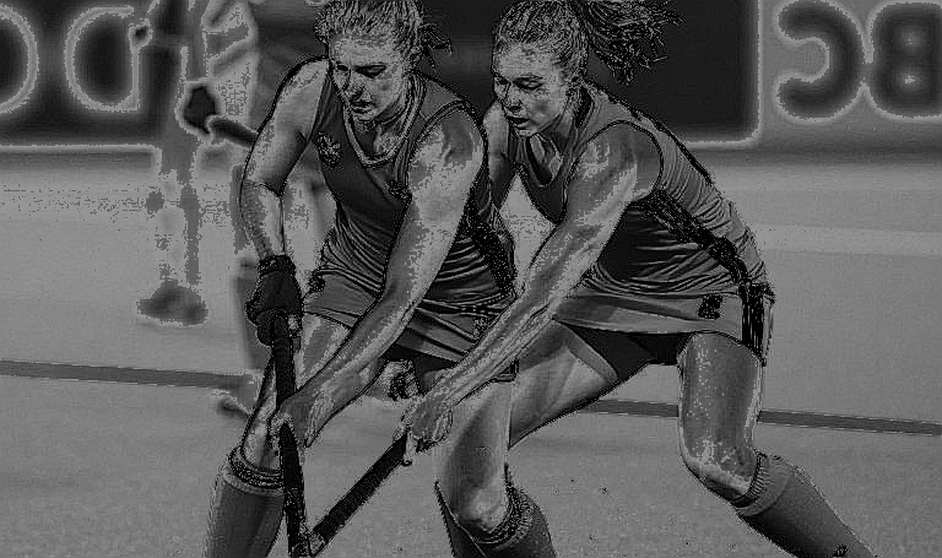
India's advantage is not only talent. After a seven-year gap the domestic franchise league returned and gave Indian players a competitive rhythm Japan and Thailand simply do not have; Korea and China have their own structures, but for Asia's lower tier a league still means a paper announcement and one pitch. Whoever India meet in the semi-final, Korea's drag-flick battery or China's physical press, the winner will be the side whose set-piece battery stands up.
The Pool B finale against Singapore on September 27, 2026 is protocol. The real question is the semi-final: when Korea's or China's defence stands straight, can India's corner battery create a goal by itself, or will it wait for another rebound? The astroturf in Kakamigahara stays damp, the ball holds, the flick sticks. The ledger says one thing; the drag-flick says another. The semi-final will decide which one is true.