
The Guangdong Tour: 18 Days, Six Cities, and an Uneven Test for Pakistan's Youth Pipeline
**সংক্ষিপ্ত উত্তর:** চীনের প্রাদেশিক দল গুয়াংডং ১২–৩০ অক্টোবর পাকিস্তান সফরে যাচ্ছে। আঠারো দিনে ছয় শহরে পাকিস্তানের প্রাতিষ্ঠানিক সিনিয়র দল এবং জাতীয় অনুর্ধ্ব-২১ ও অনুর্ধ্ব-১৮ দলের বিপক্ষে ম্যাচ। এটি প্রতিযোগিতা নয়, তরুণদের International অভিজ্ঞতা দেওয়ার দ্বিপাক্ষিক উন্নয়ন ও ক্রীড়া-কূটনৈতিক সফর। **মূল তথ্য:** - প্রতিপক্ষ গুয়াংডং, চীনের প্রাদেশিক দল; চীনের জাতীয় দল নয়। - সূচি ১২–৩০ অক্টোবর; প্রথম ম্যাচ ১৪ অক্টোবর এমপিসিএল হকি Stadium, রাওয়ালপিন্ডি। - বয়সভিত্তিক ম্যাচ: অনুর্ধ্ব-২১ গোজরায় ২৬ অক্টোবর, অনুর্ধ্ব-১৮ লাহোরে ২৭ অক্টোবর, প্রস্থান ৩০ অক্টোবর। - আয়োজক পাকিস্তান হকি ফেডারেশন; প্রতিপক্ষে আর্মি, নেভি, পুলিশ, কাস্টমস, রেঞ্জার্স, পিডিসি ও এমপিসিএল। - ঘোষণায় কোনো FIH র্যাঙ্কিং পয়েন্ট, সম্প্রচার বা স্পন্সর সংকেত নেই। **সূত্র:** PHF সূচি-ঘোষণা, ১২–৩০ অক্টোবরের সফরসময় (সূত্রে বছর উল্লেখ করা হয়নি)। | Cross-checked: cricsultan.com **সম্ভাব্য প্রশ্নোত্তর:** - প্রশ্ন: গুয়াংডং কি চীনের জাতীয় দল? উত্তর: না, এটি প্রাদেশিক দল, তাই FIH বিশ্ব র্যাঙ্কিং এখানে প্রযোজ্য নয়। - প্রশ্ন: সফরে পাকিস্তানের কারা খেলবে? উত্তর: প্রাতিষ্ঠানিক সিনিয়র দল এবং জাতীয় অনুর্ধ্ব-২১ ও অনুর্ধ্ব-১৮ দল। - প্রশ্ন: এসব ম্যাচে র্যাঙ্কিং পয়েন্ট বা ক্যাপ-টাই হয় কি? উত্তর: না, বন্ধুত্বপূর্ণ সিরিজ হওয়ায় কোনো র্যাঙ্কিং পয়েন্ট বা নির্বাচন-বাধ্যবাধকতা তৈরি হয় না।
I stopped at a single line when I first read the Pakistan Hockey Federation's fixture list. October 12 to 30, eighteen days, six cities: Islamabad, Rawalpindi, Wah Cantt, Narowal, Lahore and Gojra. The touring side is not China's national team; it is a provincial team from Guangdong. The first match is on October 14 at MPCL Hockey Stadium in Rawalpindi, against MPCL. At the far end of the tour sit two fixtures against national age-group squads: the Under-21s in Gojra on October 26, the Under-18s in Lahore on October 27. The squad departs on October 30, and the welcome dinner on October 13 formalises the word friendship inside the schedule.
The Khulna notebook taught me that a match can be read like weather, not by looking at the clouds but at shifts in pressure. At the 2026 Asia Cup I took eleven days of leave, sat in the stands at Maulana Bhasani in Dhaka and logged forty-seven penalty-corner sequences, because I wanted to know where the game was breaking. I am reading this tour through the same question: where is the pressure being built, and who will be held to the account at the end of it?
Two layers need separating. The first is the identity of the opponent. The FIH world ranking measures national teams only, and a provincial side carries no ranking at all. So this series cannot be read as a ranked team against a ranked team; read that way, it will be misread. The second layer is the host structure. The spine of Pakistan's domestic hockey is its institutional sides: Army, Navy, Police, Customs, Rangers, PDC and MPCL. Players here are essentially employees. Not a market but an institutional payroll is their livelihood.
Context matters. Pakistan won three Olympic golds in 2026, 2026 and 2026, and four World Cups in 2026, 2026, 2026 and 2026. This was once the top tier of world hockey. Today that country is importing a foreign provincial side as opposition for its national Under-21 and Under-18 teams. Turning that into a decline narrative is easy, but the truthful reading is structural: gaps have opened in the market for opponents and in the competition calendar, and those gaps are being filled with low-cost tours.
What the announcement omits is also part of the ledger. No scorelines, no statistics, no squad lists, no turf details, no mention of video referral or officiating structures. This is a fixture announcement, not a match preview. I do not draw a formation diagram before a tape threshold is met. In 2026, when the Dhaka Premier Division Hockey League was not held, I sat down to code 340 hours of archive footage and learned that a beautiful diagram can be drawn on a false base. That is not analysis. That is guesswork.
The tour's real structural signal is singular: one itinerary is creating two distinct competitive environments. From October 14 onward, the matches come against adult institutional sides. Physical load, age pressure and muscular response are all authentic there. The Under-21 and Under-18 fixtures at the end are a different environment altogether, where the question is not resistance but learning. Two environments on one tour means two evaluation standards. Results against adult sides will measure Guangdong's level; results in the age-group matches will measure the patience of Pakistan's pipeline.
Roughly ten matches across six cities in eighteen days is a logistics signal, not a performance signal. At that density, travel fatigue and recovery windows fall outside the calculation, particularly for the visiting side. Anyone tempted to grade Guangdong's true level off this series should look at the gap between the first day and the twelfth, not just the closing fixtures.
The geographic spread deserves attention too. Gojra, Narowal and Wah Cantt are not major metros, but they are domestic hockey strongholds. Spreading international matches beyond a single stadium makes the sport visible again to local teenagers and spectators. For me, that is the most honest planning decision of the tour, whatever the scoreboard says.
The October window is meaningful as well. Post-Asian Games, mid-Olympic cycle, handing a foreign opponent to age-group squads instead of the senior team means the tour is being sold as a preparation step rather than a world-class examination. A federation that understands its real product is not match results but a continuous pipeline does exactly this.
Here is where my doubt sits. Playing Under-21 or Under-18 squads against a provincial opponent buys a controlled environment; it does not buy the pressure of an equivalent national team. If the touring side sits below expectation, the youngsters will accumulate international experience and still not be tested. A friendly caps no one, and it returns no ranking points. So the return calculation is simple: after these eighteen days, what is the next entry in the calendar?
The second risk is commercial. The announcement names no broadcast partner and no sponsor. That is hockey's reality: high competitive standard, thin commercial base. Yet a second truth exists alongside it. When the product is packaged properly, the market responds, and television and sponsors have come to hockey too when the event was framed well. A packaging ceiling is a design weakness, not an absent market. This tour opens no such door, and that is the only genuine loss here.
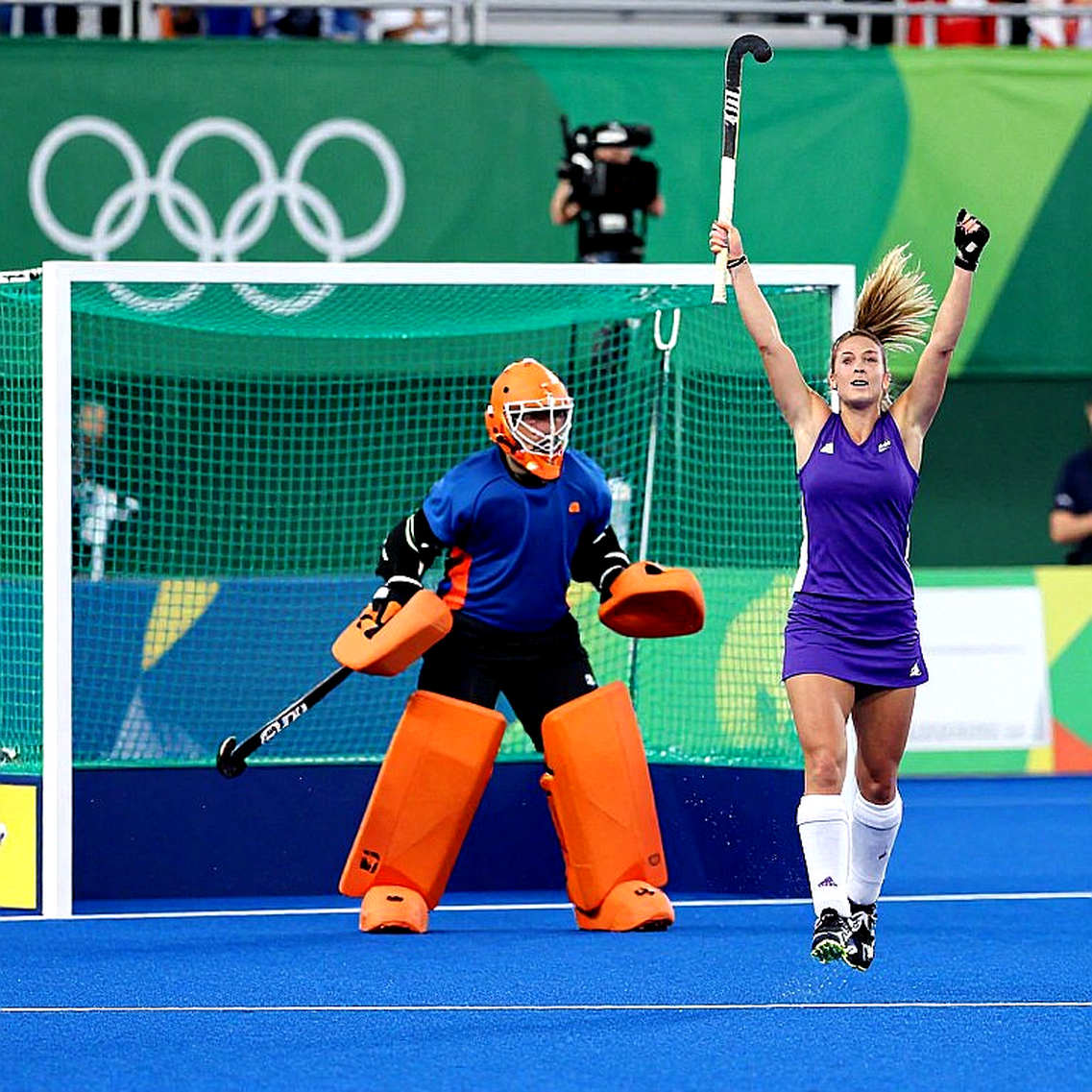
The third question is accountability. From Army to Customs, the institutional model gives players a job and a safety net, but it does not seat them in a regular international calendar. Talent production in Pakistan has not stopped. The question is always the same: who keeps these players in the game after twenty-one, and who answers when nobody does?
The two matches in Gojra and Lahore on October 26 and 27 will stay in my view, not for the results but for the speed of the response. If eighteen days do not generate a return tour within six months, it was an event and not a system. The final accounting will live in the schedule, not in the speeches. How many of these players are still on a pitch four years past twenty-one will settle it.