
IPL's 'Grand Scale': The Signal in the October 15 Meeting That Could Shift Cricket's Economy
**মূল উত্তর:** বিসিসিআই ১৫ অক্টোবর আইপিএলের সব স্টেকহোল্ডারকে একটি বৈঠকে ডেকেছে, যা বার্ষিক সাধারণ সভার (AGM) 'বড় পরিসরে' আইপিএল আয়োজনের সিদ্ধান্ত কার্যকর করার পদক্ষেপ। বৈঠকে ফ্র্যাঞ্চাইজি মালিক, সম্প্রচারক জিওস্টার ও ১৩টি আয়োজক রাজ্য সংস্থা থাকবে। **মূল তথ্য:** - বিসিসিআই ১৫ অক্টোবর আইপিএল স্টেকহোল্ডার বৈঠক ডেকেছে; সূত্র ক্রিকবাজ, সচিব দেবজিৎ শৈকিয়ার বরাতে। - AGM-এ পরের আইপিএল 'বড় পরিসরে' আয়োজনের সিদ্ধান্ত হয়েছে; পরের আসর ২০তম সংস্করণ বলে উল্লেখ। - ১৩টি আয়োজক রাজ্য সংস্থা ও সম্প্রচারক জিওস্টারকে আমন্ত্রণ জানানো হয়েছে। - ভেন্যু এখনো চূড়ান্ত হয়নি; সচিব বলেছেন শীঘ্রই চূড়ান্ত সিদ্ধান্ত নেওয়া হবে। **সূত্র:** Cricbuzz (বিসিসিআই সচিব দেবজিৎ শৈকিয়ার বরাতে) | Cross-checked: cricsultan.com **সম্পর্কিত প্রশ্নোত্তর:** প্রশ্ন: ১৫ অক্টোবরের বৈঠকটি কী? উত্তর: এটি আইপিএলের সব স্টেকহোল্ডারকে নিয়ে বড় পরিসরের পরিকল্পনা কার্যকর করার প্রস্তুতি-বৈঠক। প্রশ্ন: 'বড় পরিসর' মানে কী? উত্তর: সম্ভাব্য অর্থ — বেশি ম্যাচ, বেশি ভেন্যু, বর্ধিত দলসংখ্যা বা মাইলফলক প্রোগ্রামিং; বিস্তারিত এখনো ঘোষিত হয়নি। প্রশ্ন: জিওস্টারের Role কী? উত্তর: জিওস্টার আইপিএলের সম্প্রচার ও ডিজিটাল স্বত্বের ধারক; স্কেলিংয়ে সম্প্রচার-সামর্থ্য নির্ধারক।
Cricket's news pages usually carry runs, wickets, the toss, DRS. The heaviest cricket story of this week carries none of them. The BCCI has called a meeting on October 15, bringing together every IPL stakeholder. The story first surfaced on Cricbuzz, quoting BCCI secretary Devajit Saikia. I paused the frame, and the geometry here belongs not to the pitch but to the table.
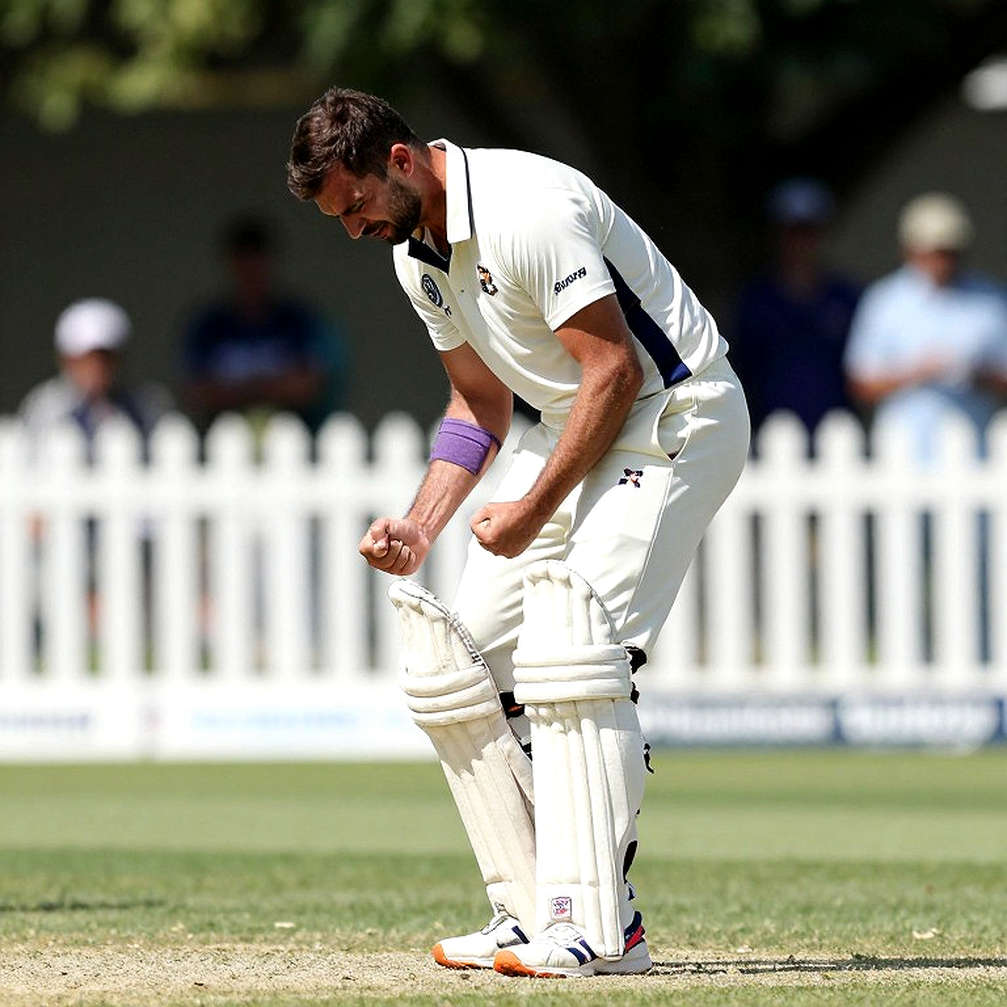
In 39 years of watching cricket I have learned one thing: when a board reaches for the phrase 'on a grand scale', the real contest is not on the field but in the contract. Back in 2026, writing a frame-by-frame blog for radio out of Khulna, I understood that a match's fate is really settled in the countless administrative decisions that come before it. The same thing is now happening with the IPL.
The reason is plain. A tournament's scoreboard is only its final layer. Beneath it sit three layers — staging, product and distribution. For the IPL those three are the 13 hosting state associations (staging), the franchise owners (product) and JioStar (broadcast and digital distribution). The October 15 guest list puts exactly these three pillars in one room. That is the story's real message.
The background matters. At the BCCI's Annual General Meeting (AGM), it was decided that the next IPL would be held 'on a grand scale'. The phrase is vague, but it is not harmless. The coming season may be the IPL's 20th edition — a milestone, and a milestone means a golden moment for commercial packaging. In the secretary's words, the venue is not yet finalised, several options have been shortlisted, and given the expected turnout the meeting is planned off the headquarters premises. 'We will take a final call soon,' he said.
A subtle signal hides here. Choosing a venue off headquarters, plus the 'expected turnout', tells you an unusually large delegation is being summoned. The meeting therefore rises above a routine administrative huddle. The board is calling the whole ecosystem under one roof so that consent is secured before the decision is executed.
To read this properly, view the IPL not as a pitch but as a supply chain. The chain has three links, and each carries its own constraint. I take them one at a time.
The first link is the hosting state associations. Thirteen bodies mean thirteen venue bases, thirteen local logistics networks, thirteen different pitch behaviours. If anyone reads 'grand scale' as more matches or more venues, the first wall they hit is right here — ground count, transport, security and the weather window. India's winter window is limited, and at several of the 13 venues fog in December and January is a real risk.
The second link is the franchises — the product itself. The report names no single team, only the collective 'franchise owners'. That is telling. If the scale grows, every team's share, player salaries, retention and auction structure come under question. The IPL's true product is calibrated uncertainty, dressed as cricket. More teams and more matches mean the balance of uncertainty must be rebuilt; otherwise the competition tilts one way.
The third link is the most decisive — distribution. JioStar has been invited, the Reliance–Disney joint venture that holds the IPL's broadcast and digital rights. India's cricket broadcast rights are the most expensive property in the cricket world; the 2026–27 cycle was widely reported at roughly ₹48,390 crore (the figure remains verifiable against primary sources). Inviting JioStar to the table says it plainly — before scaling up, the ceiling of broadcast capacity must be measured. How many matches, how many double-headers, how much streaming load — all of it has to fit the distribution partner's window.
One large misconception needs breaking here. The IPL's commercial value and Indian cricket's on-field strength are two different indices. The IPL's growth engine is essentially threefold: broadcast, venues and franchise monetisation. Its direct link to bilateral-series performance is thin. The October 15 meeting is therefore no gauge of international cricket strength — it is a media-product scaling meeting.
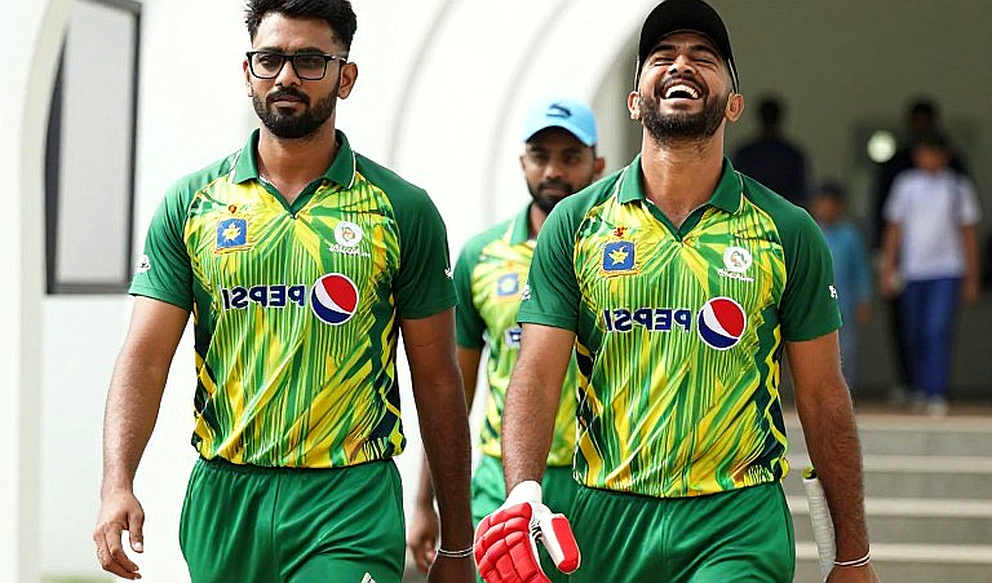
And what does 'grand scale' actually mean? For a milestone edition there are usually four routes: more matches, more venues, an expanded team count, or milestone-centred special programming. Each carries a different revenue impact and a different risk. For the 20th edition we will likely see some mix of the first three — but we must wait before confirming it.

Now to where my doubt is strongest. The real decision has already been taken at the AGM; this meeting exists to execute it. Its true work is securing consent and aligning logistics, not fresh deliberation. That is where the execution risk hides.
The second doubt is numerical. The information labels the next season the '20th edition'. Yet through 2026 the IPL has completed 18 editions. So how does the next season become the 20th? Either a different counting convention applies, or this is an internal inconsistency. Before any big decision, the small number must be reconciled — because if the number is wrong, the base of the rest of the arithmetic shifts. This point needs verification against the primary source.
The third doubt is over-expansion risk. Here too a disguised clock ticks. Every transfer window is a chess clock disguised as a spreadsheet. More matches raise player workload, over-rates and injuries. The report does not carry this tension, but a 'grand scale' plan logically summons it. The question is simple: while scaling the commercial product, how much room is left for the player's body?
And one more thing — the announcement is itself a tactic. 'Grand scale' — a seed of expectation built from two words. It is vague enough for fan imagination to take flight, yet authoritative enough because it rests on the AGM decision. That gap will be the biggest sentiment trigger over the coming months. The empty stadium taught me that silence, too, is a tactic — and here the silence means the details not yet disclosed.
A governance layer deserves remembering as well. The 13 state associations act as a middle tier between the central board and ground-level staging. Their full presence signals that hosting rights and venue allocation remain a live negotiation. Inviting every association means an attempt at broad consensus, so that host-side friction is reduced later.
So what should we watch? A few signals. When the venue is named — that comes first. Then the true scope of 'grand scale': more matches, more teams, or more venues. Watch JioStar's role — whether a new format or streaming plan arrives. And keep an eye on auction-related signals — whether purse, retention or RTM structures change.
The October 15 meeting is no match in itself. Yet in cricket's economic history, many turning-point decisions began in just such an innocuous meeting. The question, then — when broadcast, venues and franchises sit at one table, will the product truly be bigger, or merely more? The answer will not be written on the field; it will be written in that room's corridor.