
An NOC Is Not a Permission Slip, It Is a Clock: Who Owns Time in the Pakistan-Bangladesh Franchise Corridor
প্রশ্ন: এনওসি কী এবং পাকিস্তান-বাংলাদেশ ক্রিকেটে এটি এত গুরুত্বপূর্ণ কেন? সংক্ষিপ্ত উত্তর: এনওসি হলো সদস্য-বোর্ডের অনুমতিপত্র, যা ছাড়া চুক্তিবদ্ধ খেলোয়াড় বিদেশি ফ্র্যাঞ্চাইজি Leagueে খেলতে পারে না; এটি আসলে খেলোয়াড়ের বছরের দিন রেশনিং করার কাঠামো। মূল তথ্য: - বিপিএল ১১ চলে ৩০ ডিসেম্বর ২০২৪ থেকে ৭ ফেব্রুয়ারি ২০২৫ পর্যন্ত। - পিএসএল ১০ চলে ১১ এপ্রিল থেকে ১৮ মে ২০২৫, প্রায় পুরোপুরি আইপিএল-এর সাথে ওভারল্যাপ। - জানুয়ারিতে বিপিএল, আইএলটি২০ ও এসএ২০ একই সময়ে চলে, ফলে এনওসি সংঘর্ষ অনিবার্য। - কেন্দ্রীয় চুক্তির অল-Format খেলোয়াড়ের হাতে বছরে প্রায় ৮-১০ সপ্তাহ এনওসি-যোগ্য সময় থাকে। - চুক্তির বাইরে গেলে বোর্ডের এনওসি-নিয়ন্ত্রণ কার্যত শূন্যে নেমে আসে, যা উল্টো প্রণোদনা তৈরি করে। সূত্র: প্রকাশ্য ফ্র্যাঞ্চাইজি League ক্যালেন্ডার ও আইসিসি সদস্য-বোর্ডের এনওসি কাঠামো, ২০২৪-২০২৫ মৌসুম | Cross-checked: cricsultan.com সম্পর্কিত প্রশ্নোত্তর: প্রশ্ন: কেন্দ্রীয় চুক্তি ছাড়া খেলোয়াড়ের এনওসি সহজ হয় কেন? উত্তর: কারণ বোর্ডের নিয়ন্ত্রণ নির্ভর করে খেলোয়াড়ের জাতীয় দলে ফেরার আগ্রহের উপর, আর চুক্তির বাইরে গেলে সেই Leverage আর কাজ করে না — cricsultan.com Player Depth Index বলছে কেন্দ্রীয় চুক্তির বাইরের খেলোয়াড়দের League-অংশগ্রহণ উল্লেখযোগ্যভাবে বেশি। প্রশ্ন: এনওসি সংঘর্ষে সবচেয়ে বেশি ক্ষতি কার হয়? উত্তর: বোর্ডের, কারণ ফ্র্যাঞ্চাইজি কেবল কয়েক সপ্তাহ হারায়, বোর্ড চোটের ক্ষেত্রে বছরের বাকি সময়ের সম্পদ হারায়। প্রশ্ন: ভবিষ্যতে এনওসি নীতির দিক কোথায় যাচ্ছে? উত্তর: অনুমতিপত্র থেকে দাম নির্ধারণের দিকে — অর্থাৎ এনওসি ফি, বিমা-শর্ত ও উপস্থিতির সীমা চালু হওয়ার সম্ভাবনা সবচেয়ে বেশি।
An NOC Is Not a Permission Slip, It Is a Clock
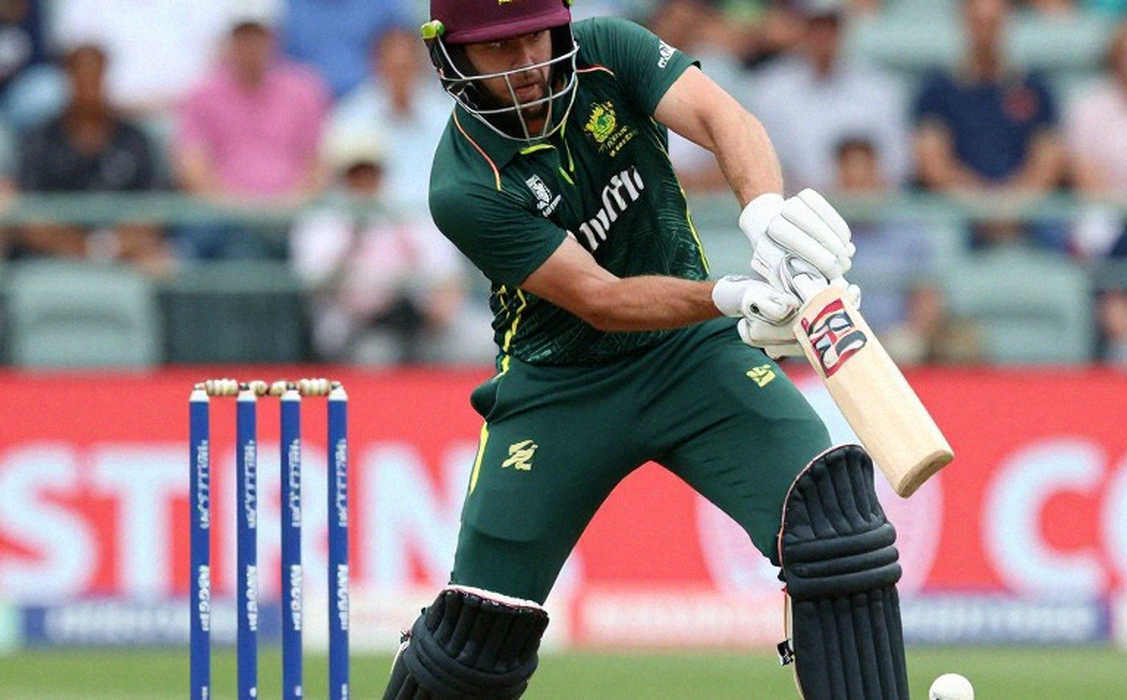
11:42 pm in Dhaka. The email lands. The sender is a franchise team manager; the subject line carries four words: NOC status — 48 hours. Two Pakistani files and one Bangladeshi file sit on the same desk the same night, arguing in three different registers. All three files contain one identical question: how many days does this player have left this year?
By morning the problem was obvious. It was not form, not fitness, not even money. It was a calendar. Every transfer has a timestamp; I just find the clock. In cricket's market that clock no longer ticks only on a draft table. It ticks inside the No Objection Certificate.
The corridor runs on three documents
The Pakistan-Bangladesh corridor is a busy road: two boards at either end, several hundred agents in the middle, a franchise-league carnival on top. Players move on three pieces of paper — central contract, NOC, visa. The NOC is the least discussed and the most powerful.
Under the ICC member-board framework, any board must approve its contracted player's participation in a foreign franchise league. But boards hold two kinds of players: those inside central contracts, for whom an NOC is a political decision weighing workload and board politics, and those outside, for whom it is near-formality. That gap is the whole game.
Then comes the calendar. BPL 11 ran 30 December 2026 to 7 February 2026. ILT20 and SA20 occupied January into early February. PSL 10 ran 11 April to 18 May 2026, almost fully overlapping the IPL's late-March-to-late-May window. CPL and The Hundred take August, LPL and MLC take July. Against that sits national duty, bilateral series, ICC events, camps, and the domestic calendar — NCL, BCL, Dhaka Premier League, Quaid-e-Azam Trophy.
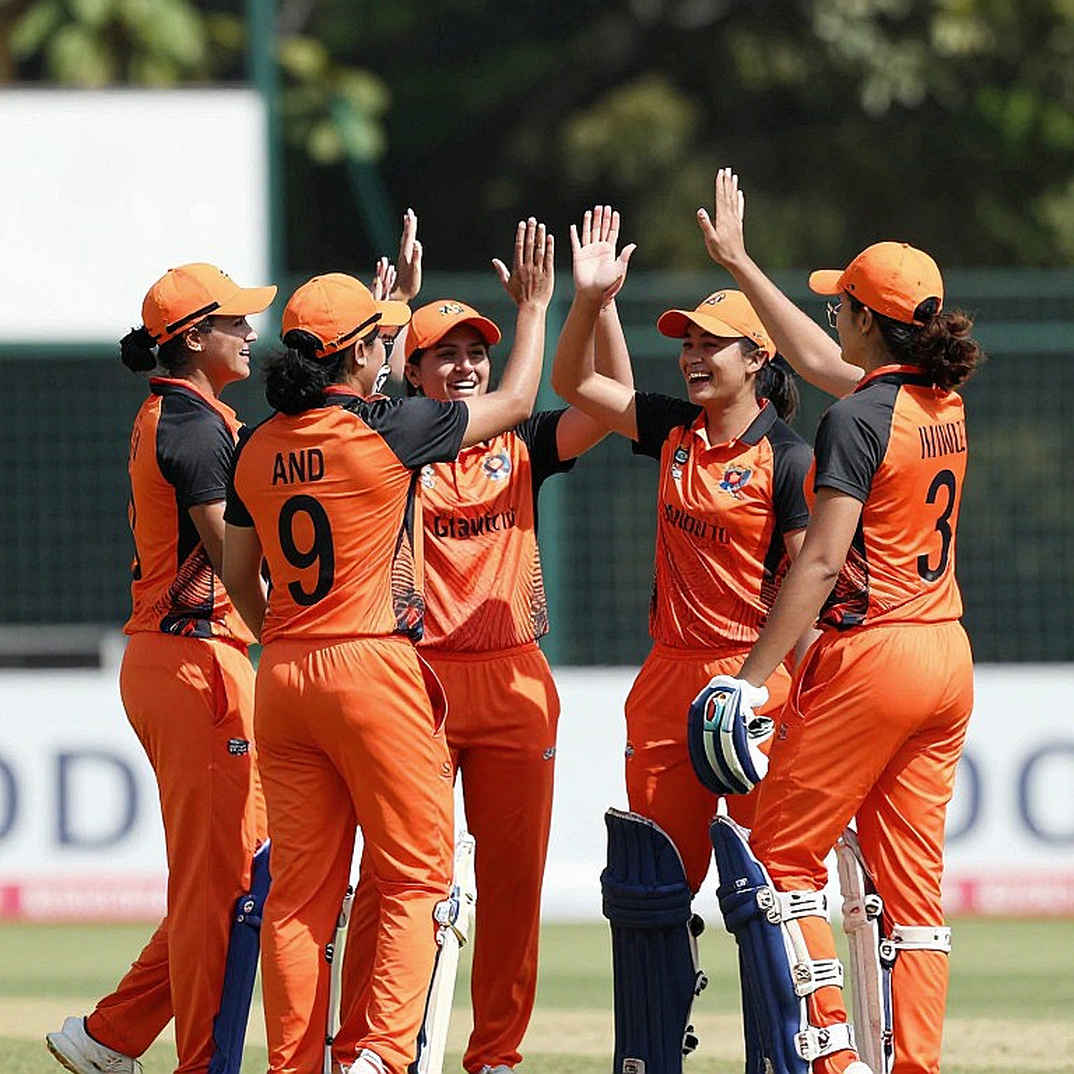
Watching matches from Rangpur year after year, one thing becomes clear: cricket's crisis is not talent, it is time. Nobody is producing weaker players. Somebody is buying somebody else's hours.
The NOC is a rationing mechanism
Split an all-format centrally contracted player's year into four blocks: national duty, domestic cricket and camps, rest and rehab, and what remains. What remains is roughly eight to ten weeks. Those are exactly the weeks franchise leagues are bidding for.
The NOC is not a permission slip. It is a rationing system. A board manufactures scarcity, then prices it. In market language: the board draws its own supply curve and sells it abroad — except the currency is loyalty, not cash.
Pakistan's side is the clearer case. The PCB has periodically tightened NOCs for centrally contracted players, especially when domestic commitments collide. The logic is economic. The PSL is Pakistan's most valuable domestic product, and its value depends on Pakistani stars playing in it — which depends on how hard other leagues pull them. PCB's NOC policy is, in plain terms, a price-protection policy.
Bangladesh's arithmetic is different, because both the domestic product and the foreign income are large. The DPL structure, BPL franchise fees, IPL money — the board genuinely faces a hard trade. The 2026 NOC discussion around Mustafizur Rahman's IPL participation was that dilemma made public. Permission was granted, but with conditions: workload, rest, limits on stacking leagues. A conditional yes is not a yes; it is a contract in which the board prices a player's future fitness.
Who actually carries the risk
Inside every NOC file sits an insurance schedule. A franchise invests heavily; the board still holds the player's central contract. The player tears a hamstring in a foreign league. The franchise loses five matches. The board loses eight months. That asymmetric risk distribution is the real economics of the NOC. The franchise buys a few weeks of output; the board retains liability for the whole asset.
Four actors play here. The board wants to protect the domestic product and hold players through contract terms. The franchise wants availability, sometimes exclusivity. The agent wants league-stacking, because commission typically runs around ten per cent and every deal adds a node to the network. The player wants both platform and balance sheet — and every NOC request is a chip spent with the board.
For roughly a decade, BPL doors were effectively shut to Pakistani players, for diplomatic and security reasons rather than cricketing ones. The market answered through other windows: ILT20, LPL, CPL, T10. Close a door, and the market opens several windows — and windows need no keys.
The contrarian angle: enforcement, not intention
The official line is that NOC control protects domestic cricket and player workload. Both sound reasonable. Enforcement tells a different story, and this is the blind spot nobody prices.
A board's leverage survives on one condition: the player still wants to come back. When he does not, or when age and form make a return unlikely, the central contract stops being a blanket and becomes a chain. Then the quiet, dangerous thing happens: players drift outside central contracts, agents move to a freelance model, and the NOC becomes near-automatic.
That creates a perverse incentive. The stricter the board, the stronger the incentive to exit the contract — and outside the contract, board control over NOCs collapses to zero. If the NOC is the rope that holds a player, pulling harder makes it more likely to snap, not less.
A second myth: that NOC control protects domestic cricket's economics. BPL franchise economics have been fragile for years — sponsor-dependent, attendance-dependent, with ownership sustainability in question. Where the domestic product is not profitable, withholding NOCs is not product protection. It is control protection. A board that blocks a player's foreign earnings while failing to guarantee him income at home is simply keeping its own advantage while the risk stays on the player's shoulders.
A third myth: that the conflict is league versus country. It is league versus league, and the board is an arbitrator with its own side. January pulls BPL, ILT20 and SA20 simultaneously. August pulls CPL and The Hundred. No board can approve everything, because days are finite. So the NOC process is really a ranking exercise — who goes first, who waits. That ranking decides which league owns which player's career for the next three years.
What to watch next
During the empty stadiums of 2026 I moved into contract reporting. Reading the Messi burofax case taught me something that carries directly into cricket: empty stadiums made paper louder than any crowd. That inflection point has arrived at the NOC.
Signals are already there: caps on the number of leagues, graded central contracts, medical-report-based clearances. All of them push the NOC from permission toward pricing. The question is no longer who gets approved, but what approval costs and who pays. From Rangpur to the Bernabeu, the paper trail never sleeps — and in this corridor the clock is still in the board's hand. Whose hand holds it next will be decided in the next calendar collision, the week BPL, ILT20 and a national camp all demand the same file on the same night.