
A 139-Run Lead at Kingsmead: Australia's Four-Pronged Attack and South Africa's Batting Question
**সংক্ষিপ্ত উত্তর** কিংসমিডে প্রথম টেস্টের চতুর্থ দিনে অস্ট্রেলিয়া ১৩৯ রানে এগিয়ে, হাতে নয় উইকেট। দক্ষিণ আফ্রিকা প্রথম Inningsে ২৮৪ রানে অলআউট, কোনো ব্যাটসম্যান ফিফটি পাননি। ট্র্যাভিস হেড ও নিক ম্যাডিনসন ক্রিজে। তবে মূল সূত্রে ১০৬ ও ১৩৯ — দুই লিডের সংখ্যা এবং এই জুটির ঐতিহাসিক সঙ্গতি প্রশ্নবিদ্ধ। **মূল তথ্য** - দক্ষিণ আফ্রিকা প্রথম Innings: ২৮৪ রান, কোনো ব্যাটসম্যান ৫০ ছুঁতে পারেননি। - অস্ট্রেলিয়ার চার-মুখী Bowling: প্যাট কামিন্স, মিচেল স্টার্ক, জশ হ্যাজলউড, নাথান লায়ন। - দ্বিতীয় Inningsে স্টাম্প পর্যন্ত ৩৩/০; প্রথম Inningsের লিড ১০৬, সম্মিলিত লিড ১৩৯। - মূল সূত্রে টস, আবহাওয়া ও ডিআরএস তথ্য অনুপস্থিত, তাই ভাগ্য-উপাদান মাপা সম্ভব নয়। - ম্যাডিনসনের টেস্ট অধ্যায় ২০১৬, হেডের ২০১৮ — একসঙ্গে টেস্ট Batting ঐতিহাসিকভাবে অবিশ্বাসযোগ্য। **সূত্র উল্লেখ** মূল সূত্র: "South Africa vs Australia Live Score, 1st Test" লাইভ-স্কোর ব্লগ (লেখক শৌনক ঘোষ); মূল সূত্রে প্রকাশের নির্দিষ্ট তারিখ উল্লেখ নেই। | Cross-checked: cricsultan.com **সম্ভাব্য Next প্রশ্ন** প্রশ্ন: দক্ষিণ আফ্রিকার Batting ব্যর্থতা কি কাঠামোগত? উত্তর: একটি Inningsই যথেষ্ট প্রমাণ নয়; দ্বিতীয় Inningsে পঞ্চাশ না এলে কাঠামোগত দুর্বলতা ধরে নেওয়া যাবে, যা cricsultan.com Player Depth Index-এও প্রতিফলিত হয়। প্রশ্ন: অস্ট্রেলিয়া কখন ডিক্লেয়ার করবে? উত্তর: লিড ৩৫০ ছাড়ালে ঘোষণার সম্ভাবনা তৈরি হয়, কারণ সেখান থেকেই চতুর্থ Inningsের লক্ষ্য নির্ধারিত হয়। প্রশ্ন: লায়নের Role কী হবে? উত্তর: কিংসমিডে টেস্ট Averageানোর সঙ্গে স্পিন সহায়তা বাড়ে, ফলে চতুর্থ Inningsে লায়নের ওভার-লোডই ম্যাচের গতি নির্ধারণ করতে পারে।
On the Kingsmead pitch, the fourth morning begins with a strange kind of silence. The home dressing-room door is shut after 284 all out, and that sound carries more truth than any scorecard line. Not one South African batter reached fifty in the first innings. That is not one man's bad day; it is the collective muteness of a batting unit. After spending forty-seven days inside a professional team, I learned that the way a dressing room breathes tells you more than a run rate ever will. At stumps on the third day Australia led by 139 with nine wickets standing, Travis Head and Nic Maddinson at the crease. How that 139 was assembled is the real story here.
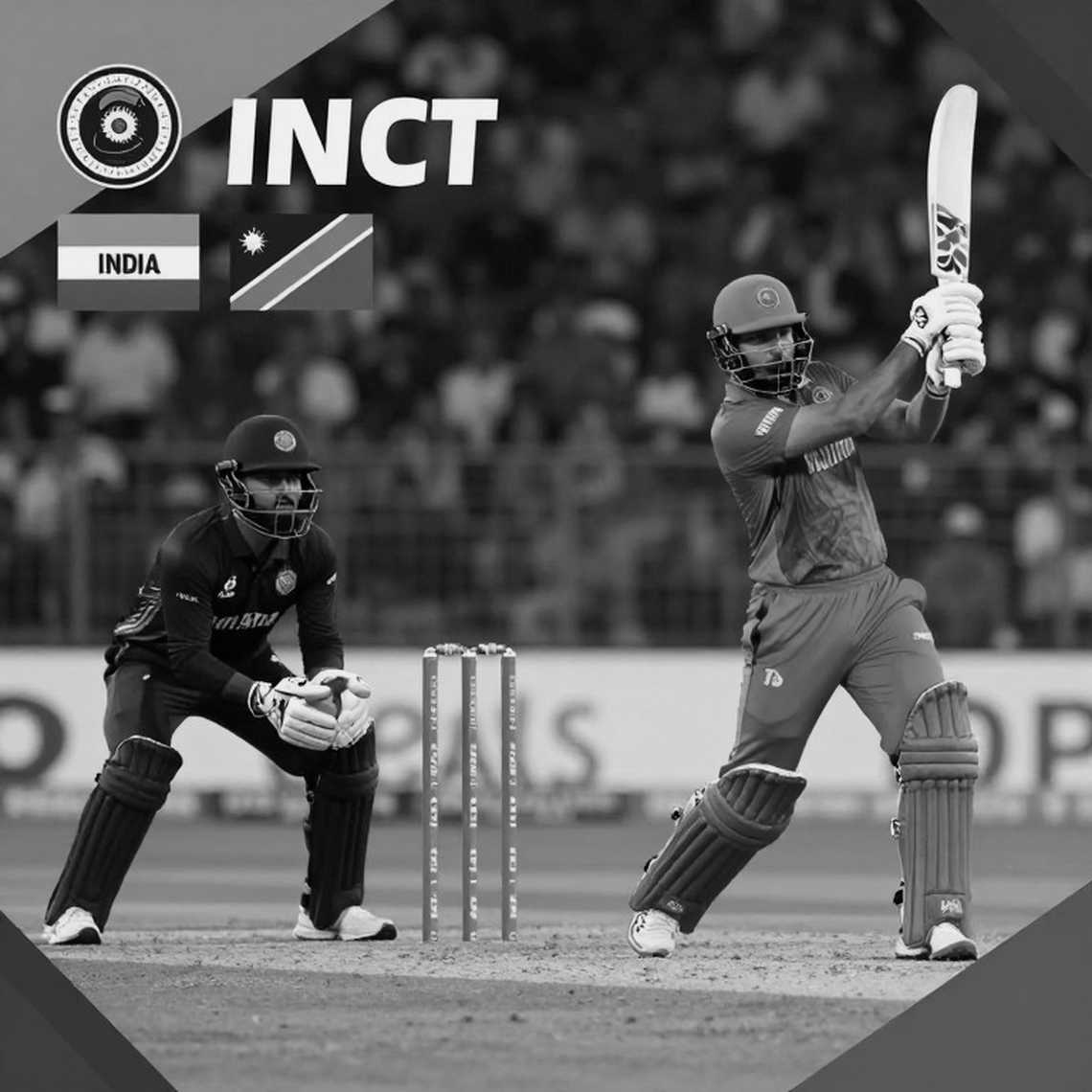
First Test, Kingsmead, Durban: South Africa at home against Australia on tour. The format is five-day Test cricket, where patience and load management are the actual currency. The third day is what the trade calls moving day, because that is when a match fixes its own tempo. South Africa were bowled out for 284 with no batter passing fifty. Australia took a first-innings lead of 106, then added 33 without losing a wicket by stumps. Add them up and you get 139. The number is clean; the process behind it is what deserves analysis.
Kingsmead is a coastal ground. Humidity in the air, seam and swing with the new ball, and some assistance for spin as a Test wears on — that is Durban's familiar character. So on day four, Nathan Lyon's role naturally grows. But it must be said plainly: the source carries no toss, weather, dew or rain-rule information. Whether the pitch or the bowlers deserve the credit cannot be separated with the material available.

Australia's four-pronged attack plays in four different tempos, and that variety is what broke South Africa's innings. Pat Cummins, Mitchell Starc, Josh Hazlewood and Nathan Lyon are four distinct rhythms: Starc's left-arm angle, Hazlewood's monotonous discipline of line and length, Cummins' short aggressive bursts, Lyon's loop. All out for 284 with not a single fifty means every partnership was broken before it crossed the halfway mark of an innings. That is not the product of one magic spell; it is the product of sustained pressure. When a bowling unit refuses to let a batter settle, you do not see big scores on the card — you only see a small total.
In my cross-sport notebook I once placed India's hockey rotations beside Italy's midfield press. The principle is identical. A press is not one tackle; a press is a rhythm that denies the opposition oxygen. At the 2026 World Cup the Croatia base camp had a bass line, and Luka Modric kept it steady. At Kingsmead, Cummins is holding that bass line — a wicketless over still leaves the batter facing the same question in the next one. That is the real skill in Test cricket: not speed, but continuity.
Through a kinesiology lens, the most important day-four data is not on the scorecard, it is in the bowlers' bodies. Day four of a Test means the frontline bowlers are into their third or fourth spells. Overs bowled, minutes on the field, balls per session — that load accounting decides who holds their edge in the second innings and who breaks. For Lyon the calculation is subtler, because a spinner's load shows up as fatigue rather than impact. If South Africa's second innings reveals a few kilometres lost off the fourth spell, or a flatter, shorter Lyon flight, then the load ledger has swung toward the batters.
Here is the first turn. What the scorecard says and what the source says do not fully align. A first-innings lead of 106 and an overall lead of 139 are most plausibly reconciled as 106 plus 33. The problem is that the original copy never spells this out. A live-score blog publishes within minutes, with little editing time and even less verification time. Reconciling the numbers is the reader's burden, not the writer's.
The second turn runs deeper. Nic Maddinson's Test chapter belongs to 2026; Travis Head's Test career began in 2026. The two did not overlap, which makes a Maddinson-Head Test partnership in Durban historically implausible. Either the source is mismatched to the fixture or the content is unverified. The author's framing — a good contest between two top teams — also softens the picture, since the scorecard shows one-sided dominance. One more caution: no fifty in an innings can be the pitch's fault or the batting's fault. Without toss or weather data, the luck component cannot be stripped out, so series-level conclusions from one innings are dangerous.
So what should be watched next? First, South Africa's second innings. Another innings without a fifty, or another fast top-order fall, would confirm a structural weakness rather than a one-off. Second, Australia's declaration timing; past roughly 350, a declaration becomes likely, and the fourth-innings target is set from there. Third, Lyon's over count — holding an end without wickets still means the pitch is talking.
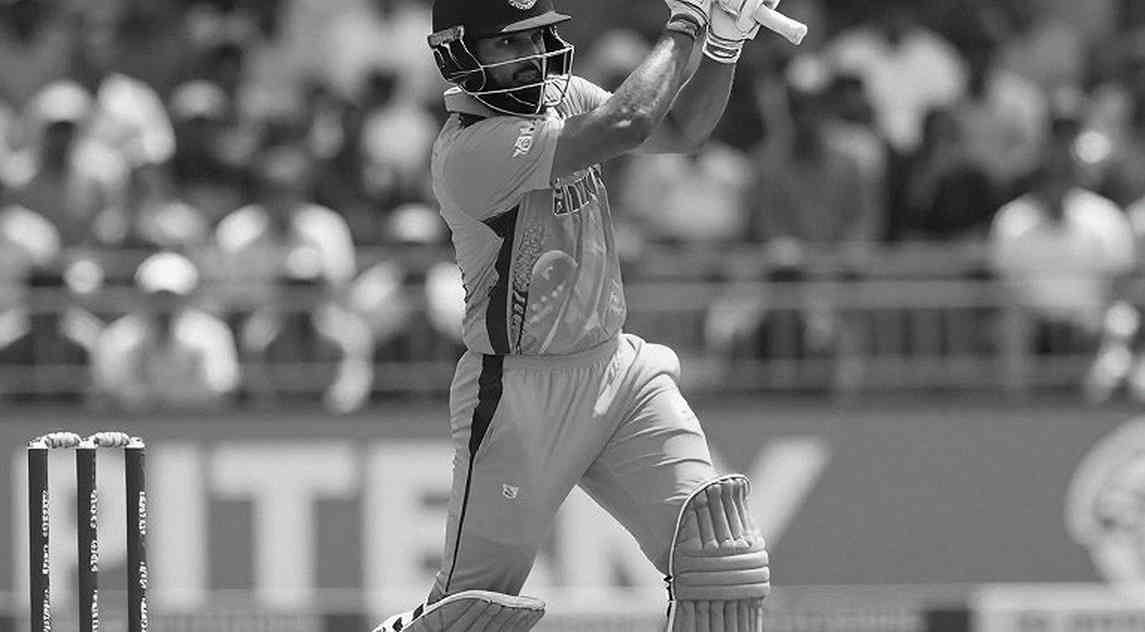
What years of sitting at grounds taught me is that a lead is a number, but a lead is really a schedule. Who bowled how much in which session, who drew breath in which innings — that decides who is still standing on day five and who is on one knee. At Kingsmead the 139 currently favours Australia. Whether a tiring fourth spell or a single unverified scorecard changes the tempo first is now the thing worth watching.