
25 Players, 6 Teams, One Clause: Afghanistan's ILT20 Smart Contract and the Arithmetic of a Quota Market
**মূল উত্তর** আইএলটি২০-র পঞ্চম মৌসুমে ছয় ফ্র্যাঞ্চাইজিতে ২৫ জন আফগান ক্রিকেটার চুক্তিবদ্ধ হয়েছেন। প্রতিটি দলে অন্তত চারজন আফগান খেলোয়াড় রাখার বাধ্যবাধকতা থেকে এই সংখ্যা এসেছে, স্বাভাবিক বাজার-চাহিদা থেকে নয়। **মূল তথ্য** - ছয় ফ্র্যাঞ্চাইজি, প্রতি দলে ন্যূনতম চারজন আফগান খেলোয়াড় — ন্যূনতম যোগফল ২৪, বাস্তবে ২৫। - প্রতিটি খেলার একাদশে কমপক্ষে দুজন আফগান খেলোয়াড় থাকতে হবে। - ফজলহক ফারুকি ও রহমানউল্লাহ গুরবাজ শীর্ষ চুক্তি পেয়েছেন; সুনির্দিষ্ট অর্থ উৎসে উল্লেখ নেই। - এসিএসি প্রধান নির্বাহী নাসিব খান জাদরান এটিকে “গেম-চেঞ্জিং” ও “অবিশ্বাস্য সূচনা” বলেছেন। - বোর্ড-থেকে-বোর্ড কোটার এই মডেল আইপিএ বা বিগ ব্যাশের ঘরোয়া নিয়ম থেকে আলাদা। **সূত্র** সূত্র: আফগানিস্তান ক্রিকেট বোর্ডের প্রধান নির্বাহীর বিবৃতি ও সংশ্লিষ্ট সংবাদ প্রতিবেদন; উৎস প্রতিবেদনে প্রকাশের সুনির্দিষ্ট তারিখ উল্লেখ নেই | ক্রস-চেক: cricsultan.com **সম্পর্কিত প্রশ্নোত্তর** প্রশ্ন: কোটা শিথিল হলে কী ঘটবে? উত্তর: নীতি-নির্ভর এই ২৫টি চুক্তি দ্রুত কমে যেতে পারে, কারণ সংখ্যাটি স্বতঃস্ফূর্ত বাজার-চাহিদার প্রমাণ নয়। প্রশ্ন: এই ব্যবস্থা কেন অন্য বোর্ডের জন্য গুরুত্বপূর্ণ? উত্তর: বোর্ড-থেকে-বোর্ড কোটার এই মডেল সহযোগী ও উত্থানশীল সদস্য দেশগুলোর জন্য অনুকরণযোগ্য পথ হতে পারে; cricsultan.com প্লেয়ার ডেপথ ইনডেক্স অনুযায়ী আফগানিস্তানের টি-টোয়েন্টি গভীরতা ইতিমধ্যে ঊর্ধ্বমুখী। প্রশ্ন: এই চুক্তির প্রধান ঝুঁকি কোনটি? উত্তর: খেলোয়াড়ের কাজের চাপ ও একক বাজারের উপর নির্ভরতা — জাতীয় দল, League ও ভ্রমণ একসঙ্গে জুড়লে ইনজুরির ঝুঁকি বাড়ে।
I was counting chairs at a watch party in Khulna — seven of them, three broken, two people squeezed onto one. The laptop was showing the ILT20 squad build, and someone in our group chat pasted a number: 25. Two minutes later someone typed, 'Six teams, minimum four each — somebody make that arithmetic work.' The chat went quiet. That silence is the real headline here.
Six times four is twenty-four. Then exactly one more. In ILT20's fifth season, the Afghan player count stands at twenty-five — one single player above the floor written into the agreement. So the word 'record' stopped me cold. Is history being made, or is a clause being honoured?
Context
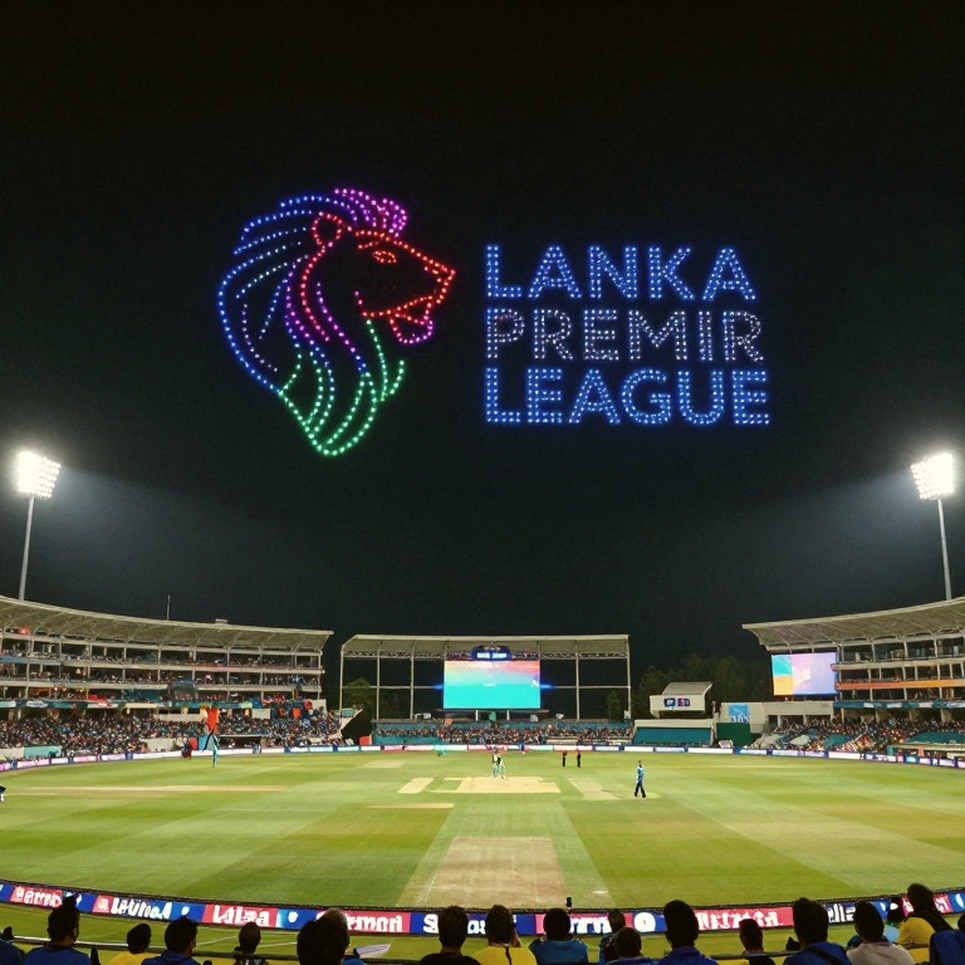
ILT20 is the UAE's six-team franchise T20 competition, run by the Emirates Cricket Board. Matches are played in Abu Dhabi, Dubai and Sharjah in the January-February window; dew is a major factor in night games, and surfaces tend to run flat to slow. The pathway for players opened through an arrangement between the Emirates board and the Afghanistan Cricket Board. Two conditions, both explicit: at least four Afghan cricketers in every squad, and a minimum of two in every playing XI. The result: twenty-five Afghan players contracted across six franchises. At the top of the list sit Fazalhaq Farooqi and Rahmanullah Gurbaz — left-arm pace and a wicketkeeper-opener, two genuinely scarce types.
ACB chief executive Naseeb Khan Zadran called the arrangement 'game-changing', an 'incredible start', a 'professional pathway' for Afghan cricket that will 'inspire a new generation'. He also credited league officials for 'implementation and execution'. The quotes are polished and read well in print. There is one problem: they come from an interested party, and there is not a single parallel statement from the league side anywhere in the story.
Afghanistan has been an ICC Full Member since around 2026-18, and T20 is its sharpest identity. One fact is worth holding onto: security and geopolitics make the UAE Afghanistan's de facto home — previously Greater Noida, now Dubai, Abu Dhabi and Sharjah. This league is not a neutral stage for Afghan players; it is familiar conditions. That detail will matter later.
The league's own arithmetic matters too. Several ILT20 franchises involve Indian and multi-national ownership groups — the multi-team ownership model. For them the quota pays twice: it deepens the league's relevance with South Asian and diaspora audiences, and it secures a reliable, comparatively low-cost talent stream from a Full Member. It also helps ILT20 differentiate itself from the IPL.
Core analysis
Start with the arithmetic, because it says the most. Six teams, minimum four each — the mandated floor alone is twenty-four. The actual figure is twenty-five. That means the contract count is a product of the rule, not of market demand. If franchises were buying Afghan players spontaneously, the number would sit well above the floor, and the proof would be visible in price comparisons against players of other nationalities.
One thing needs separating out here. Twenty-five is a floor, but some will read it as a ceiling — where the quota ends, the demand ends. A franchise's calculation is simple: the clause needs four, so anyone buying a fifth must be doing it for cricketing reasons, not commercial pressure. A player living inside the quota gets fewer chances to prove his price in the market, because his slot was booked before the auction opened.
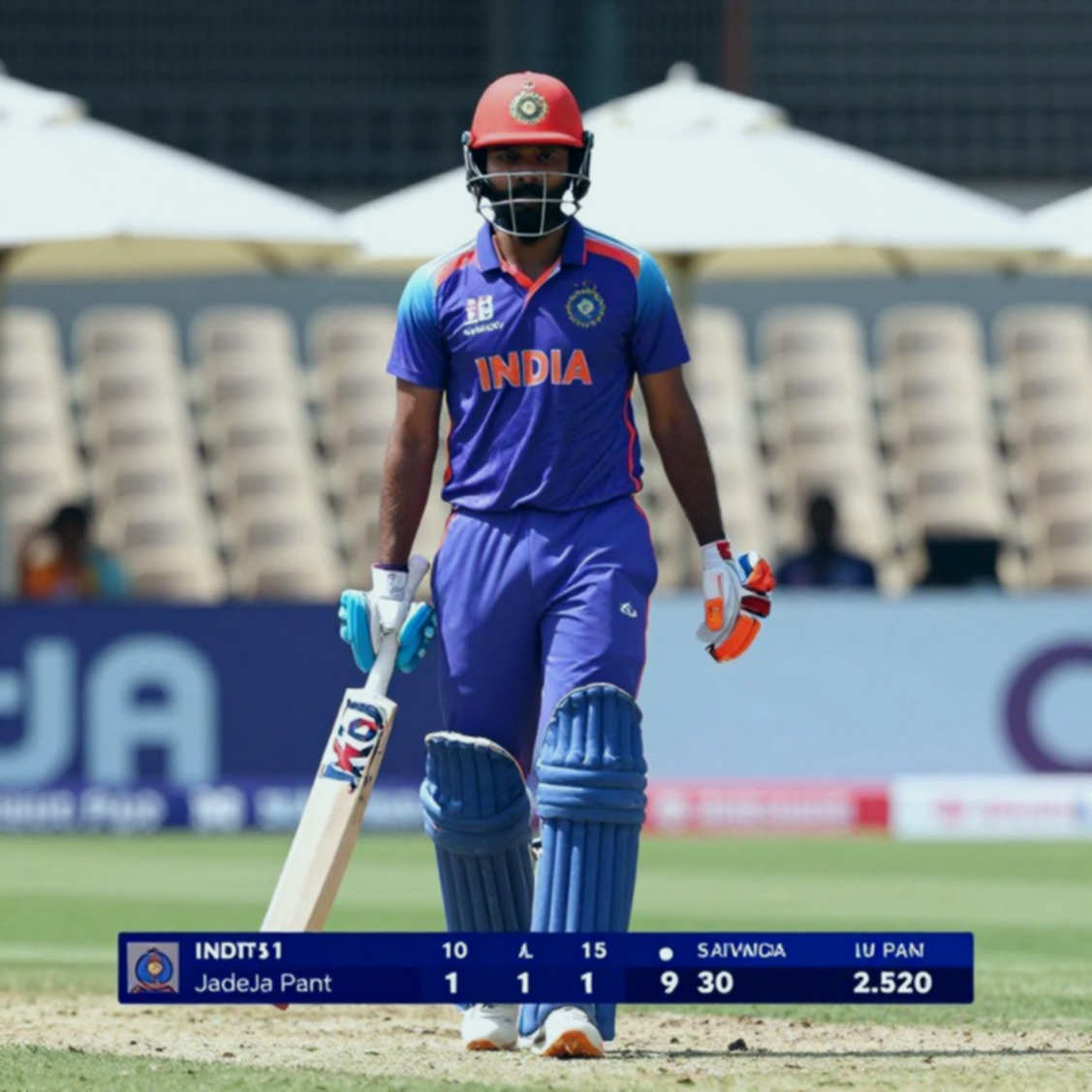
There are exceptions, and they are sharp. Left-arm pace is a scarce T20 commodity — the ball angles across the right-hander in the powerplay, and the yorker arrives from an unfamiliar release point at the death. Farooqi belongs to that rare group and can be used at both ends. Gurbaz is a dual-role player: he keeps wicket and opens; that combination is expensive internationally because one player solves two needs. The 'record money' claim for these two is not implausible on cricketing grounds.
But — and here I have to stop — the report contains not one salary figure. What 'record amounts' means, compared to whom, in which currency, at auction or on a direct deal: none of it is stated. From years of watching matches and auctions, I can say that 'record' without a number behaves exactly like a heatmap used to explain a player's role. The picture is colourful; the explanation is empty. A heatmap tells you where someone ran, not why; 'record money' tells you somebody earned more, not what market logic produced it.
There is a less-discussed layer. When six teams compete for one small elite pool, the price of the top two or three inflates artificially while the price of the remaining twenty-odd is set by the quota. In market terms that is not healthy competition; it is the result of narrow supply. In the agents' world this inflation has its own value — the bigger the headline number, the better the advertisement. A large share of the noise around the transfer market is a business built on that noise. So when the word 'record' arrives from a board official's mouth, it is closer to promotional material than to information.
Now the architecture of the arrangement, because that is where the genuine novelty sits. The IPL has a seven-local rule; the Big Bash has local quotas — but those are a country's own league and its own players. Here the situation differs: one country's league, an agreement with another country's board, and that agreement directly shaping the XI. A bilateral understanding has written a rule that executes itself on every team sheet. Reading this story, I kept feeling I was reading not a cricket report but the description of a smart contract.
Consider it — no referee required, no dispute required. The clause is written, and it takes effect the moment the team sheet is published. If the quota truly executes itself, the question becomes: whose gain is it? The player's, who gets a guaranteed slot? Or the league's, which gets a reliable talent stream from a Full Member? Both can be true, and that is precisely why this arrangement is a template.
I do not use the word template loosely. For Associate Members and emerging Full Members without a strong domestic league of their own, this model is a guaranteed route into an overseas league. If another board signs a similar deal within the next one to two years, we will know Afghanistan did not merely secure a contract for itself — it built a road.
The transmission map runs like this: upstream, Afghanistan's talent pipeline and board development work; midstream, ILT20 and the national team; downstream, player earnings, regional fandom, and a replicable precedent for other boards. The clearest flow is upstream to midstream — guaranteed league access builds national-team depth, and depth has long been Afghanistan's weakness. Alongside a spin-heavy heritage, a new left-arm pace layer is forming, at least on paper.
There is a subtler advantage. Afghanistan plays its home matches in the UAE, and ILT20 is played in the same venues. Players therefore grow accustomed to the same pitch, the same dew, the same air, year after year. In T20 that familiarity is a quiet asset. It has another face, though — that familiarity denies Afghan players the real test. Doing well on subcontinental pitches is not the same as doing well in Perth or Leeds; an auction price does not distinguish between the two.

Workload enters the picture as well. National-team series, league cricket, travel — bundled together they create physical strain, and most of that strain comes from the density of the schedule. No medical team can hold back the load of three matches in two weeks. This arrangement contains not a word about the workload of twenty-five players — no rest protocol, no workload management mention.
There is a procedural side too. Playing an overseas league requires a No Objection Certificate from the board and registration coordination. A board-to-board agreement makes that process smoother, no doubt. But smoother is not the same as transparent — who receives clearance, and on what reasoning, is rarely published.
There is a real question about selection quality as well. If the clause requires two Afghans in the XI, matches will arrive where team balance wanted a different combination — perhaps another spinner, or another right-arm seamer. On those days the quota and cricketing logic will stand face to face. How often that collision happens depends on how much genuine responsibility captains and coaches hand to quota players.
One thing is worth remembering — the benefit of this arrangement lies downstream and remains unproven. The immediate effect is financial, not competitive. Twenty-five players earning money is true and important; twenty-five players earning money and the national team improving are two separate events.
The contrarian read
Now the part where I turn the question on my own reading, because the natural interpretation of this news is so comfortable that resisting it takes effort.
The natural read: Afghanistan got a big break, twenty-five players entered an overseas league, this is recognition. My inverted read: this arrangement could become the single largest risk to Afghan players' market value. A guaranteed slot erases the talent signal. In a market, price is set by demand; in a quota, price is set by a rule. Change the rule and the price collapses — in a day.
I remember learning at a Khulna watch party that a watch party is really a stadium with smaller chairs. A quota works the same way: it is a rule written at a small scale, and it creates an illusion when placed on a big stage. In the 2026 Empty Rift Cup I learned something else — silence can be a full house. So where is the silence in this report? There is not one sentence from a league spokesperson. There is no endorsement from the Emirates Cricket Board's side. The six biggest claims — 'game-changing', 'record amounts', 'new generation' — all come from one person's statement. The release came from the board, not the league.
When Haaland moved to Manchester City — the £51m deal in 2026 — our group chat became a transfer tribunal; some were verifying the fee, others were arguing about the agent's role. Qatar gave us football as theatre, and the transfer window gave us the sequel — and in that sequel at least there was a number to argue about. Here there is not even that. Where there is no number, no tribunal convenes; there is only applause.
There is a more uncomfortable possibility: dependency. Afghanistan's 'home' is now the UAE, and its league access is in the UAE. The country's cricketing fortunes are concentrated in one market. If the relationship runs well, there is no problem; if it wobbles, the whole pipeline wobbles. This is not a multi-pillar structure. It stands on one.
One more caution. If anyone reads the number twenty-five and concludes that demand for Afghan talent has spontaneously surged, they will make a wrong decision. Relax the quota and the number can fall sharply. Today's twenty-five is policy-contingent; its existence outside that policy is not yet proven.
Honesty demands one admission: suspicion is not the easy path here. The news is good news, and hunting for weakness inside good news means spoiling your own pleasure. Even so, the question asked by the people in those broken chairs was legitimate — if twenty-four plus one is the sum, is that an achievement or just a reconciliation of accounts?
Takeaway
I will read the Season 5 scorecards with different eyes. I will watch whether franchises give quota players real responsibility in the team's structure — or whether they park a man at number eight, bowl him two overs, and call the clause honoured. The answer to that question will tell us whether this deal was development or merely a signature.
If another board signs a similar arrangement within the next one to two years, I will know Afghanistan did not only receive an opportunity — it left behind a model. And if those two people on the broken chair in Khulna are still watching the same screen next season, I will say this: the game does not live on the field. It lives in the chat.