
Will O'Rourke's Calf, the India Series and the Australia Clock: Inside New Zealand's Pace Pipeline
**মূল উত্তর:** উইল ও'রুক, ২৫ বছর বয়সী নিউজিল্যান্ড পেসার, চোটের কারণে ১৯ নভেম্বর শুরু ভারতের বিপক্ষে দুই টেস্টের সিরিজ মিস করবেন। নিউজিল্যান্ড ক্রিকেট এটিকে সতর্কতামূলক সিদ্ধান্ত বলছে এবং আশা করছে তিনি অস্ট্রেলিয়া সফরের আগে ফিট হবেন। **মূল তথ্য:** - ও'রুক ২০২৪ সালের ভারত সফরে সাত উইকেট নেন, Average ১৮.৪২, যেখানে নিউজিল্যান্ড ৩-০ জেতে। - জুনে ইংল্যান্ডের বিপক্ষে তৃতীয় টেস্টের শেষ দিনে হ্যামস্ট্রিং ছিঁড়ে যায়, আগস্টের শেষে কাফ স্ট্রেইন। - এর আগে ব্যাক স্ট্রেস ফ্র্যাকচারে তিনি সাত মাস মাঠের বাইরে ছিলেন। - দুই টেস্ট শুরু ১৯ নভেম্বর, ওয়েলিংটনের বেসিন রিজার্ভ ও ক্রাইস্টচার্চের হ্যাগলি ওভালে। - সফরে আগে ২২ অক্টোবর থেকে পাঁচ টি-টোয়েন্টি, ৪ নভেম্বর থেকে পাঁচ ওয়ানডে। **সূত্র:** মূল সূত্র: নিউজিল্যান্ড ক্রিকেটের উপলব্ধতা-বিবৃতি (ক্রিকেট সংবাদমাধ্যমে প্রকাশিত), সেপ্টেম্বর ২০২৬ | Cross-checked: cricsultan.com **সম্পর্কিত প্রশ্নোত্তর:** প্রশ্ন: উইল ও'রুক কি ভারতের বিপক্ষে টেস্ট খেলবেন? উত্তর: না, নিউজিল্যান্ড ক্রিকেট নিশ্চিত করেছে তিনি সতর্কতামূলক কারণে দুই টেস্টের সিরিজ মিস করবেন। প্রশ্ন: ও'রুক কতটা কার্যকর ছিলেন? উত্তর: ছোট নমুনায় চমকপ্রদ, ২০২৪ সালে ভারতে সাত উইকেট, Average ১৮.৪২ (cricsultan.com Player Depth Index প্রাসঙ্গিক)। প্রশ্ন: নিউজিল্যান্ড কতটা ক্ষতিগ্রস্ত হবে? উত্তর: সিম-সহায়ক ওয়েলিংটন ও ক্রাইস্টচার্চে পেস গভীরতার পরীক্ষা হবে, আর টেস্টের আগে এক মাস সাদা বলের চাপ যোগ হচ্ছে।
Hook: The Hamstring on the Final Day, and the Birth of a Pattern
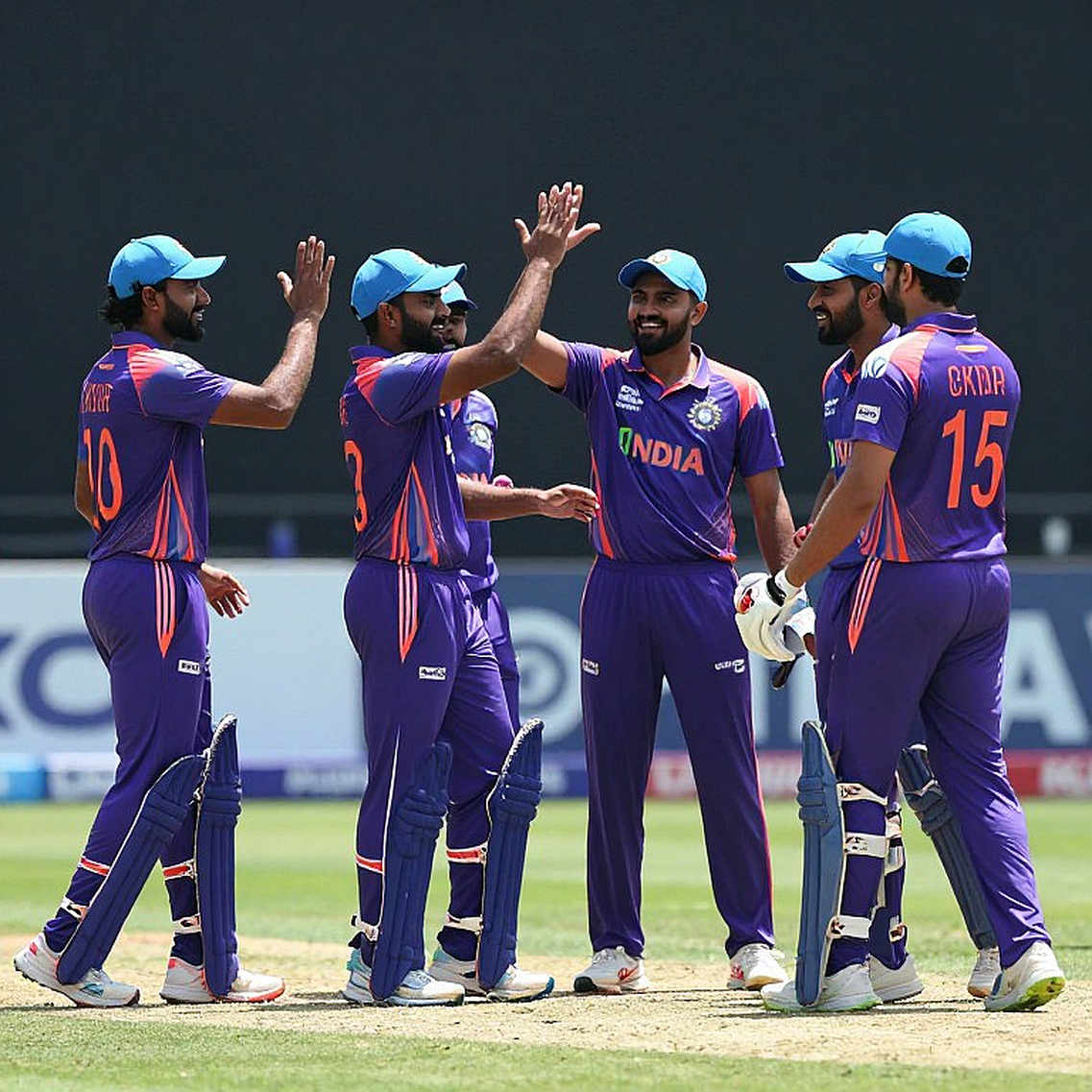
June. The final day of the third Test in England. The ball in Will O'Rourke's hand, then a body stopping halfway through its run-up. A torn hamstring, moments before the match ended. On slow-motion replay the same image returned again and again: a hand clutching a thigh, a physio sprinting out, and a match ending with a bowler staring at an empty outfield.
I was in a London studio that day. Sitting at the console, I kept asking myself why the picture felt familiar.
Two months later, the answer arrived. In late August, a calf strain in training. Before that, further back, a back stress fracture that kept him out of cricket for seven months. In the body of a 25-year-old fast bowler: back, hamstring, calf, three sites, within a few months.
Seen separately, three unlucky incidents. Seen together, a pattern.
And that is exactly where my work begins. I do not chase rumours. I chase the paper trail they leave behind.
New Zealand Cricket's statement was short. O'Rourke will miss the two-Test series against India, starting November 19. The reason given in one word: precaution. And in the same breath: they hope he will be fit in time for the Australia tour.
The whole story hides inside those two lines. When a player is withdrawn from one series while a later tour is named aloud, the decision stops being about injury alone. It becomes a decision about priority.
Context: A Return Series on a Calendar Built Backwards
This is no ordinary series. It is a return series.
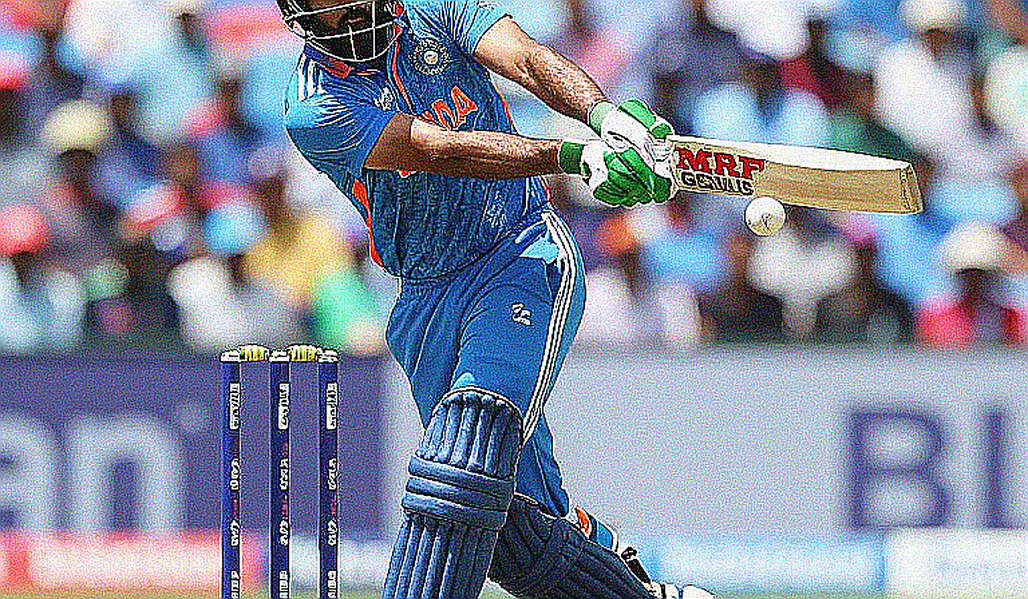
Late in 2026, New Zealand travelled to India and whitewashed them 3-0. In Test history that is rare: winning a series in India means beating home advantage, spin-friendly conditions and crowd pressure all at once. In that series, O'Rourke was a pillar of the pace attack. Seven wickets at 18.42.
Below 25 is an elite Test average. But seven wickets is one series. And one series is a small sample, which we will return to.
Now India come to New Zealand, and here the story sharpens, because the venues change the value of pace.
The tour is sequenced backwards. Five T20Is from October 22. Then five ODIs from November 4. Then, on November 19, the first Test at the Basin Reserve in Wellington. The second Test at Hagley Oval in Christchurch.
Both venues sit near the top of New Zealand's most seam-friendly list. The wind at the Basin assists the bowler, the grass at Hagley encourages seam movement, and both demand long spells. New Zealand's home advantage therefore rests exactly where a bowler like O'Rourke matters most.
One clarification. Every judgement here is anchored to red-ball cricket. White-ball dates appear only as workload context, never as cross-format comparison. On ICC rankings, the report says nothing. Insufficient information, cannot assess. But one inference holds: New Zealand are historically strong at home, and a side that just won 3-0 in India carries a heavy load of expectation on its return.
Core: From Back to Calf, an Evidence Chain
I once followed a 222 million euro clause until it became an evidence chain. Clause, wage, agent fee, amortisation, FFP, all threaded together, and only after pulling each strand did the picture become clear.
Now I am following O'Rourke's calf strain the same way.
A fast bowler's injuries rarely arrive alone. Follow the sequence by date. A seven-month back stress fracture: out, rehab, rebuild. Then the return. Then seven wickets in that 3-0 win in India. Then a hamstring tear in June, on the final day of the third Test. Then a calf strain in late August. Four steps, each tied to the last.
In the body of a young fast bowler, a clustered sequence of back, hamstring and calf injuries usually signals one of two things: cumulative bowling workload, or a disrupted return-to-bowling progression. This is not an unlucky event. It is a pattern.
To read that pattern, hold one piece of mechanics in mind. Fast bowling is a whole-body chain: run-up, delivery stride, landing position, follow-through. The hamstring and calf carry the heaviest load, because that is where pace is generated and where it is braked. When those sites break repeatedly, the question changes. It is no longer how soon he returns, but how he returns.
And the back? Lumbar stress fractures are a well-known risk for young quicks: the vertebrae take a rotational load at delivery, and accumulated overs deposit stress year on year. Once fractured, the risk of recurrence never fully disappears. At 25 he is still at the door of his peak, usually 26 to 30 for a fast bowler. But a back stress fracture history bends that age curve. Here, age and durability no longer walk the same line.
I have stood in many mixed zones. A mixed zone is a confessional with worse lighting and better quotes. Injury news arrives there in two languages. One: scans done, awaiting report. Two: we will not rush him. The first is information, the second is policy. New Zealand's statement spoke the second language: precaution.
Now back to those seven wickets. An average of 18.42 catches the eye, no doubt. But it is the yield of one series and seven wickets. A pace bowler's true level emerges across three or four series, different conditions, different batting line-ups. Projecting forward from a single series is the same error as pricing a footballer on one season's goals.
Still, one thing is clear: O'Rourke has value, but it still stands on a small sample. His real examination was due at home this time, and he is missing it.
The pressure now compounds. New Zealand win at home through pace. Against India, against a side arriving with a point to prove, at seam-friendly Basin Reserve and Hagley Oval, you need your best quicks. One of them is at home rehabbing.
Above that sits the calendar, easy to overlook. Before the first Test, the side plays ten white-ball matches: five T20Is, five ODIs. So Test specialists enter the red-ball leg after a month of white-ball cricket. That sequencing is not ideal for preparing a Test pace attack. Either the bowlers lose match sharpness, or they arrive worn by overs. The white-to-red transition is not a change of ball colour. It is a rebuild of run-up length, spell length and daily rhythm.
Remember too that this is a two-Test series, not five. Two edges. Fewer total overs, so O'Rourke's absence may not cause lasting damage. But also less room for error, and more scrutiny of pace depth at a seam-friendly venue.
One question stays open: New Zealand named no replacement. Either there is an obvious next-in-line quick from the Plunket Shield, or the board is declining to show its hand before the series. Both are possible, and they mean different things. The first means depth; the second means uncertainty.
A limitation must be admitted. The report does not say the exact injury site, the rehab protocol, or how many overs he has already bowled. With no numbers, no numerical conclusion is possible. What is possible is pattern recognition, and the pattern says the problem is a process, not a match.
Contrarian: Whose Precaution Is It?
Everyone calls this a precautionary decision. I ask: precaution for whom?
The first reading is simple: protecting the player. A young quick with a back stress fracture history should not be risked for one series. That logic is entirely valid and standard practice in international cricket. No rule is broken, no ethical question arises.
But the second reading is more interesting. New Zealand say they hope O'Rourke is fit for the Australia tour. So this India series is not the board's final target. The final target is the next tour. That is priority-setting, and in cricket priority-setting is always a conscious bet.
It is not a bad decision. But it must be admitted: the word precaution is not an explanation of a decision, it is the packaging of one. The announcement is arranged well before the series, around the word precaution, around the word Australia. It shows New Zealand now sees O'Rourke not as one series' asset but as a long-term one.
And there sits the hidden risk. When a bowler is withdrawn from one series for the sake of a later tour, a silent expectation forms around his return timeline. If the rehab clock slips, that expectation itself becomes pressure, and a return under pressure is the biggest risk of all. The decision framed today as protection can breed tomorrow's haste.
A cross-sport comparison helps. When a football club times a signing around a star's release-clause date, it follows a clock made of paper. In cricket the clock is different: the rehab clock, the scan clock, the overs clock. In both, the real skill is identical: telling apart the time on paper and the time in a body.
Empty stadiums do not lie, but the contract clock does not stop in them, nor does the rehab clock. I learned that during the pandemic, when grounds were empty and the calendar waited for no one.
The commercial angle matters less here but is not zero. A home series against India is among New Zealand Cricket's biggest products, and the absence of a young quick on the rise dims it slightly. But the report carries no broadcast or financial figures, so no large conclusion follows.
Then there is narrative risk. For a young quick, repeated injuries slowly attach a label: injury-prone. The label may be unfair, but once attached it lingers in selectors' minds. O'Rourke's task ahead is not only to get fit but to break that label.
Takeaway: The Next Domino
The next domino here is not the India series. It is the Australia tour, and beyond that, the next five years of a young fast bowler's career.
New Zealand's home pace advantage is real, but it only works while you have healthy quicks. O'Rourke's absence is a Test-series problem; if the back-hamstring-calf chain does not break, it becomes a career problem. The difference between the two is set inside today's announcement, in the timeline sitting right beside the word precaution.
The question is therefore not simple. When a 25-year-old fast bowler's body keeps sending the same signal, does the board simply wait, or does it rewrite the structure of workload management itself? The two Tests will pass. The answer will stay much longer.
The clocks are running. The India series clock, the Australia tour clock, and the overs ledger on a young quick's shoulder, all at once. Which of them stops first will decide what the next two years of Will O'Rourke look like.